

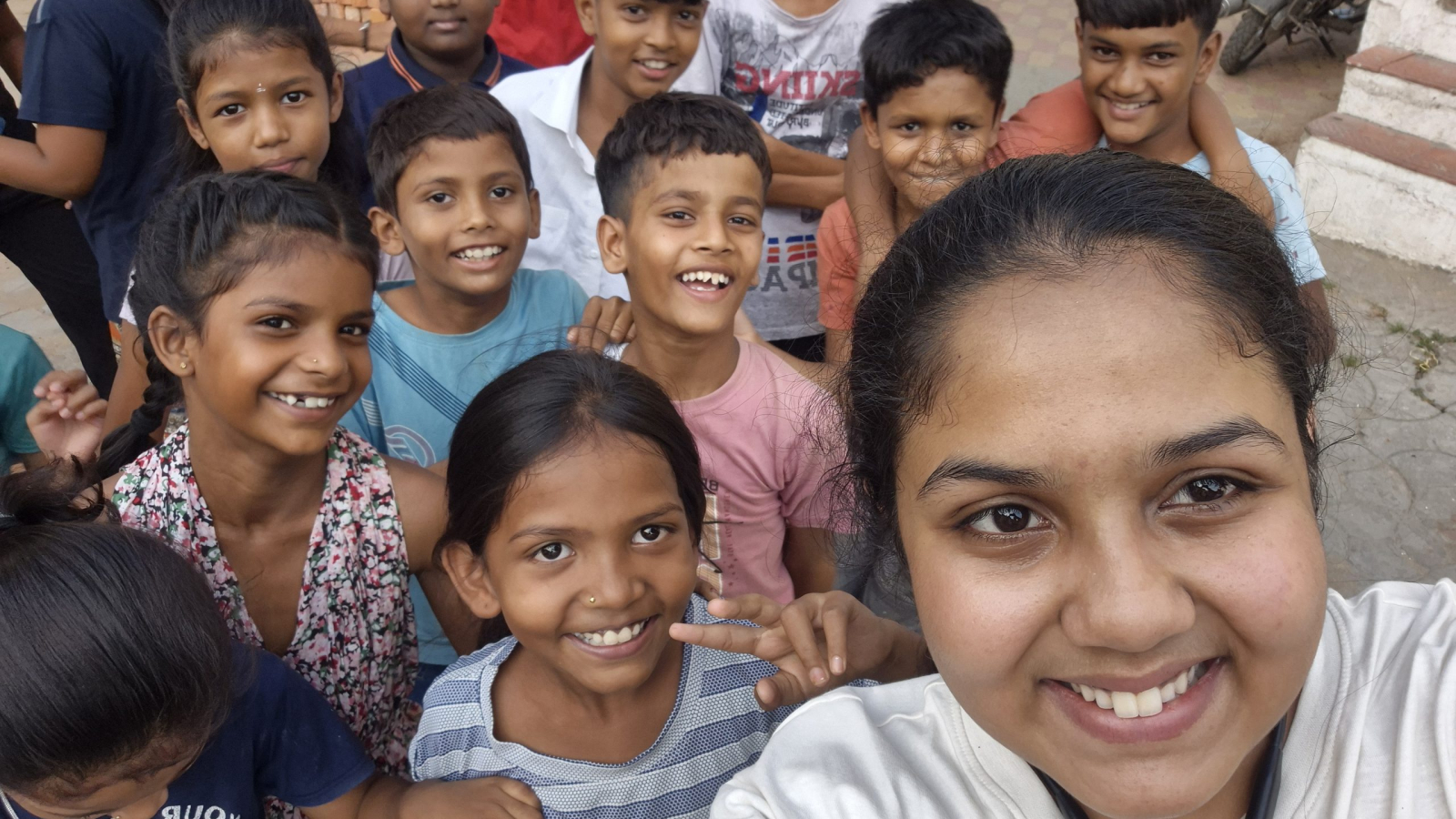
This blog was written by Samruddhi Lambe, student of the Institute of Management Nirma University (IMNU) Ahmedabad, and current volunteer at CFSD. She was actively involved in the Summer Camp.
Children are the carriers of our future, and it is our responsibility to ensure that they carry practices which will ensure their survival in this precarious world which we will gift them with our hands. It now becomes our responsibility to teach our upcoming generations small ways in which they can save their environment. If we fail to act today, they may inherit a world where breathing without an oxygen mask becomes a luxury rather than a necessity.
Keeping the current situation in mind, CFSD organized a four-day summer camp from 1st to 5th June 2026 for children in Ambika Nagar, Nagpur. Through interesting games and activities with an environmental twist, the children were taught easy sustainable practices.
The camp aimed to make environmental learning engaging rather than instructional. Its goal was to spread environmental awareness among children at an early age. By doing so, it encouraged them to avoid practices that harm the environment and instead adopt nature-friendly habits that help in its protection.
The four-day camp was designed in a way to ensure that learning about the environment was not limited to lectures or boring instructions but became something that the children could experience through fun and participation.
Day 1 – Waste Management and Water Conservation
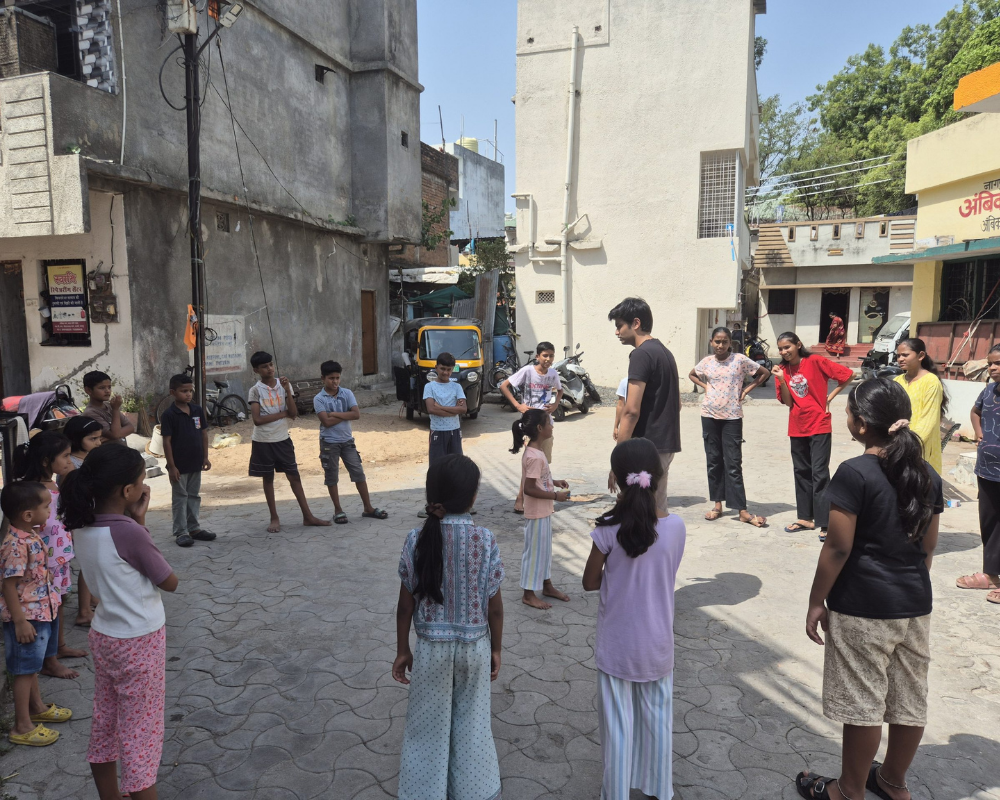
On the first day, the focus was on dry and wet waste segregation as well as water conservation. Through an interactive game, the children were given chits with different types of waste and had to identify whether they belonged to the dry or wet waste category. Another activity, inspired by musical chairs, encouraged children to think of ways to save water whenever the music stopped. The children eagerly shared ideas like turning off taps, reusing water, and fixing leaks, proving that even simple conversations can spark awareness.
Day 2 – Conscious Environmental Decision Making
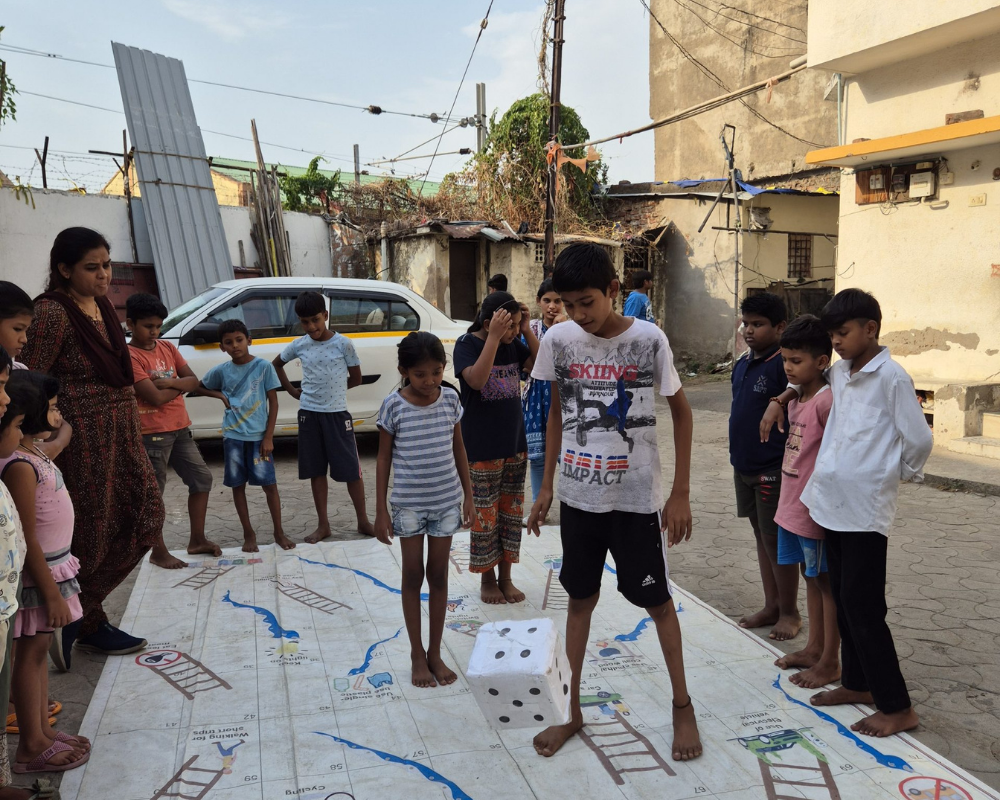
The second day revolved around pollution and the impact of our everyday choices on the environment. A specially designed environmental Snakes and Ladders game helped children understand the difference between environmentally responsible and harmful actions. Good habits such as using public transport and saving water helped them climb ladders, while actions like littering and wasting resources sent them down the snakes. Another energetic game of pollution monsters versus citizens introduced the concept of pollution, showing children that environmental challenges can be overcome when people work together. Discussions were also held on the harmful effects of burning garbage and the importance of reporting such practices.
Day 3 – Expressing the Earth Through Art
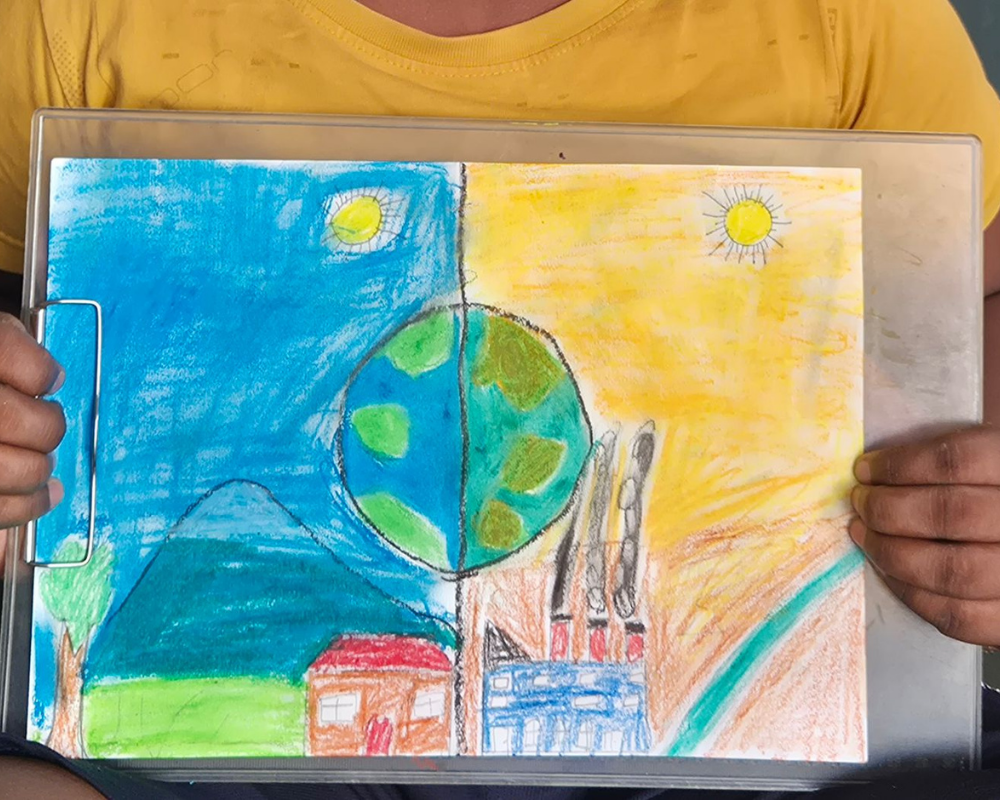
On the third day, the children were encouraged to express their thoughts through a drawing competition. They were free to draw either the Earth as they see it today or the Earth, they dream of for the future. The drawings reflected both their creativity and their growing awareness. While some imagined a greener and healthier planet, others highlighted the effects of pollution and environmental degradation.
Day 4 – Learning & Spreading Awareness in the Community
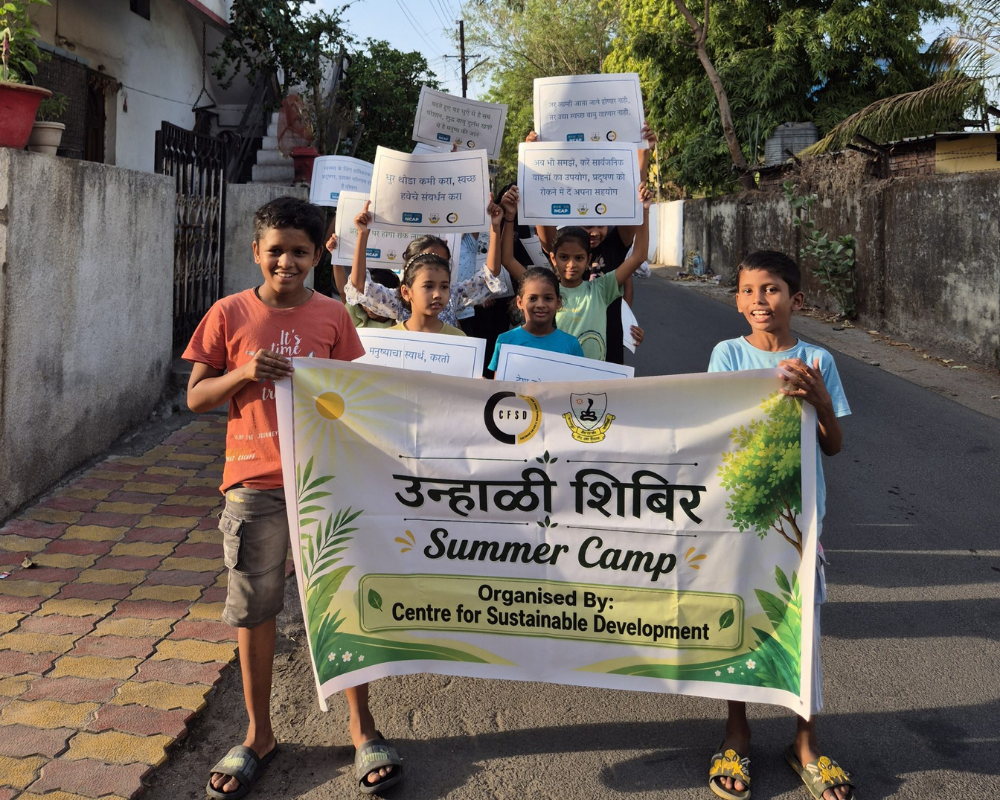
The final day began with a short environmental quiz to revise key concepts from the camp, where children enthusiastically answered questions on different aspects related to environmental issues and their solutions. This was followed by a rally held in Ambika Nagar on World Environment Day (5th June), where children raised slogans promoting environmental protection and sustainable living. The day ended with a small farewell gathering, celebrating their participation and learnings throughout the camp.
As the camp concluded, it left behind not just memories but a gentle shift in awareness among young minds where simple activities turned into meaningful lessons about responsibility towards the environment we share. The camp may have ended in Ambika Nagar, but its message continues beyond those four days, living on in small everyday choices of the children and their growing understanding. CFSD remains hopeful that these young voices will grow into mindful actions, shaping a world where environmental responsibility is not an effort, but a way of life.
Add a Comment