1000135516

Summer Camp: Echoes of a Greener Tomorrow

This blog was written by Samruddhi Lambe, student of the Institute of Management Nirma University (IMNU) Ahmedabad, and current volunteer at CFSD. She was actively involved in the Summer Camp.

Children are the carriers of our future, and it is our responsibility to ensure that they carry practices which will ensure their survival in this precarious world which we will gift them with our hands. It now becomes our responsibility to teach our upcoming generations small ways in which they can save their environment. If we fail to act today, they may inherit a world where breathing without an oxygen mask becomes a luxury rather than a necessity.

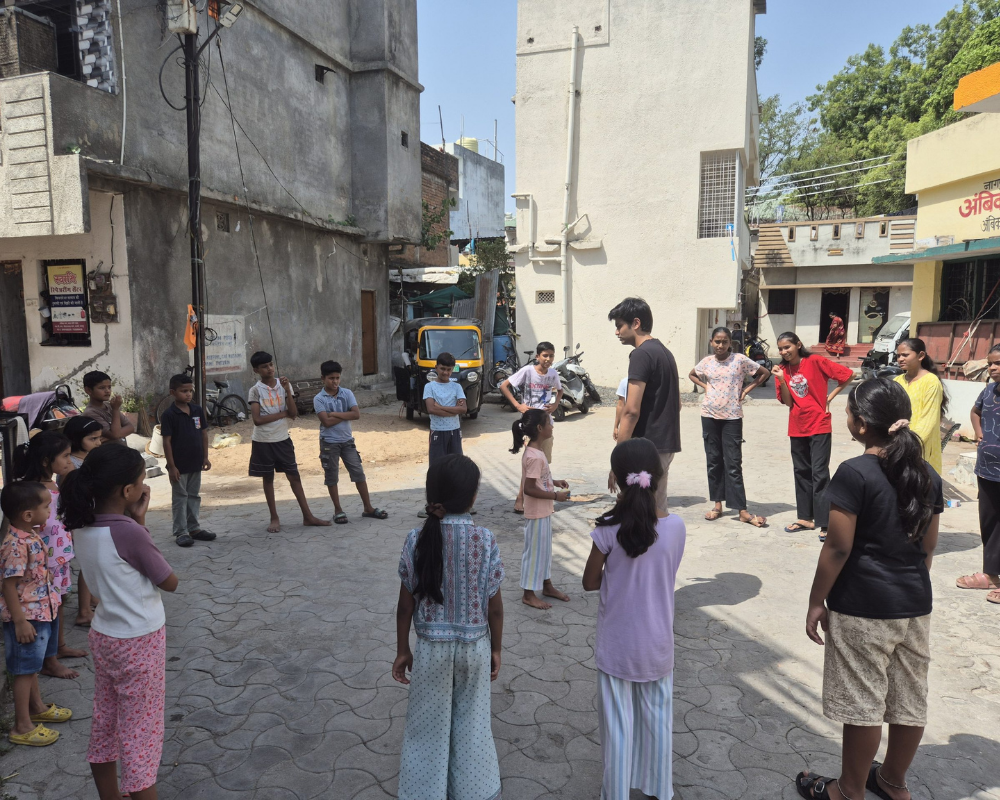
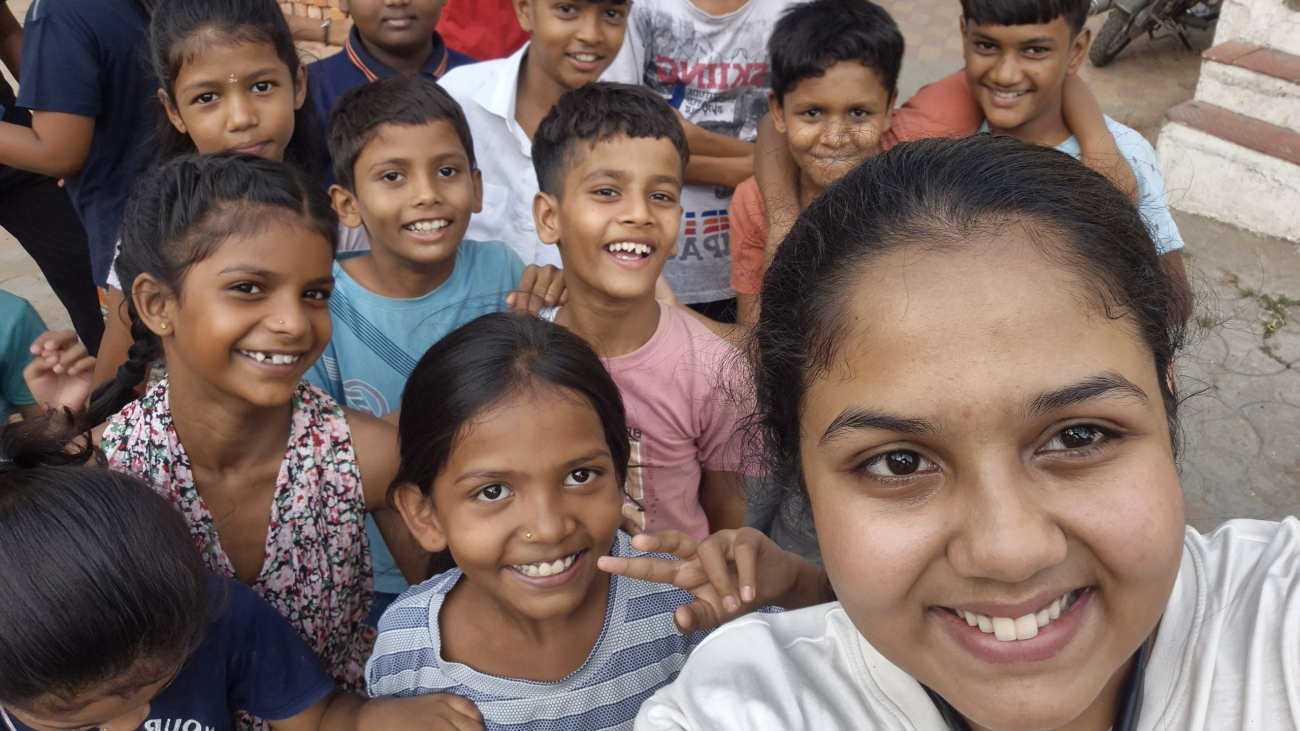
Keeping the current situation in mind, CFSD organized a four-day summer camp from 1st to 5th June 2026 for children in Ambika Nagar, Nagpur. Through interesting games and activities with an environmental twist, the children were taught easy sustainable practices.

The camp aimed to make environmental learning engaging rather than instructional. Its goal was to spread environmental awareness among children at an early age. By doing so, it encouraged them to avoid practices that harm the environment and instead adopt nature-friendly habits that help in its protection.

The four-day camp was designed in a way to ensure that learning about the environment was not limited to lectures or boring instructions but became something that the children could experience through fun and participation.

Day 1 – Waste Management and Water Conservation

On the first day, the focus was on dry and wet waste segregation as well as water conservation. Through an interactive game, the children were given chits with different types of waste and had to identify whether they belonged to the dry or wet waste category. Another activity, inspired by musical chairs, encouraged children to think of ways to save water whenever the music stopped. The children eagerly shared ideas like turning off taps, reusing water, and fixing leaks, proving that even simple conversations can spark awareness.

Day 2 – Conscious Environmental Decision Making

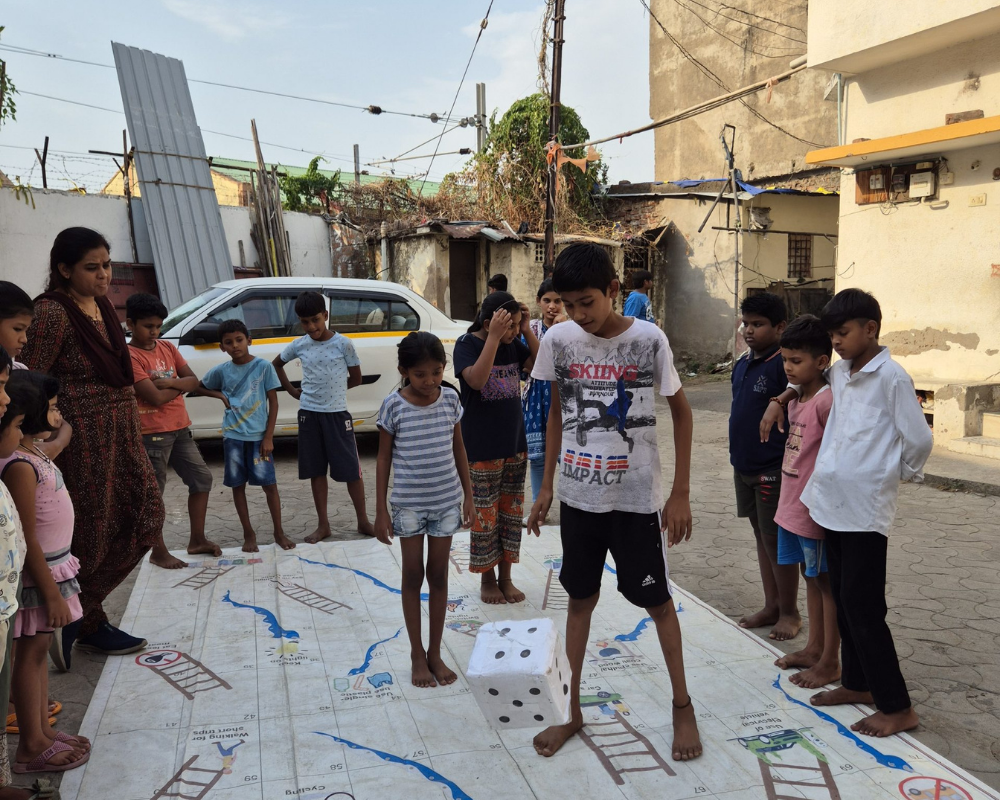
The second day revolved around pollution and the impact of our everyday choices on the environment. A specially designed environmental Snakes and Ladders game helped children understand the difference between environmentally responsible and harmful actions. Good habits such as using public transport and saving water helped them climb ladders, while actions like littering and wasting resources sent them down the snakes. Another energetic game of pollution monsters versus citizens introduced the concept of pollution, showing children that environmental challenges can be overcome when people work together. Discussions were also held on the harmful effects of burning garbage and the importance of reporting such practices.

Day 3 – Expressing the Earth Through Art

On the third day, the children were encouraged to express their thoughts through a drawing competition. They were free to draw either the Earth as they see it today or the Earth, they dream of for the future. The drawings reflected both their creativity and their growing awareness. While some imagined a greener and healthier planet, others highlighted the effects of pollution and environmental degradation.

Day 4 – Learning & Spreading Awareness in the Community

The final day began with a short environmental quiz to revise key concepts from the camp, where children enthusiastically answered questions on different aspects related to environmental issues and their solutions. This was followed by a rally held in Ambika Nagar on World Environment Day (5th June), where children raised slogans promoting environmental protection and sustainable living. The day ended with a small farewell gathering, celebrating their participation and learnings throughout the camp.

As the camp concluded, it left behind not just memories but a gentle shift in awareness among young minds where simple activities turned into meaningful lessons about responsibility towards the environment we share. The camp may have ended in Ambika Nagar, but its message continues beyond those four days, living on in small everyday choices of the children and their growing understanding. CFSD remains hopeful that these young voices will grow into mindful actions, shaping a world where environmental responsibility is not an effort, but a way of life.
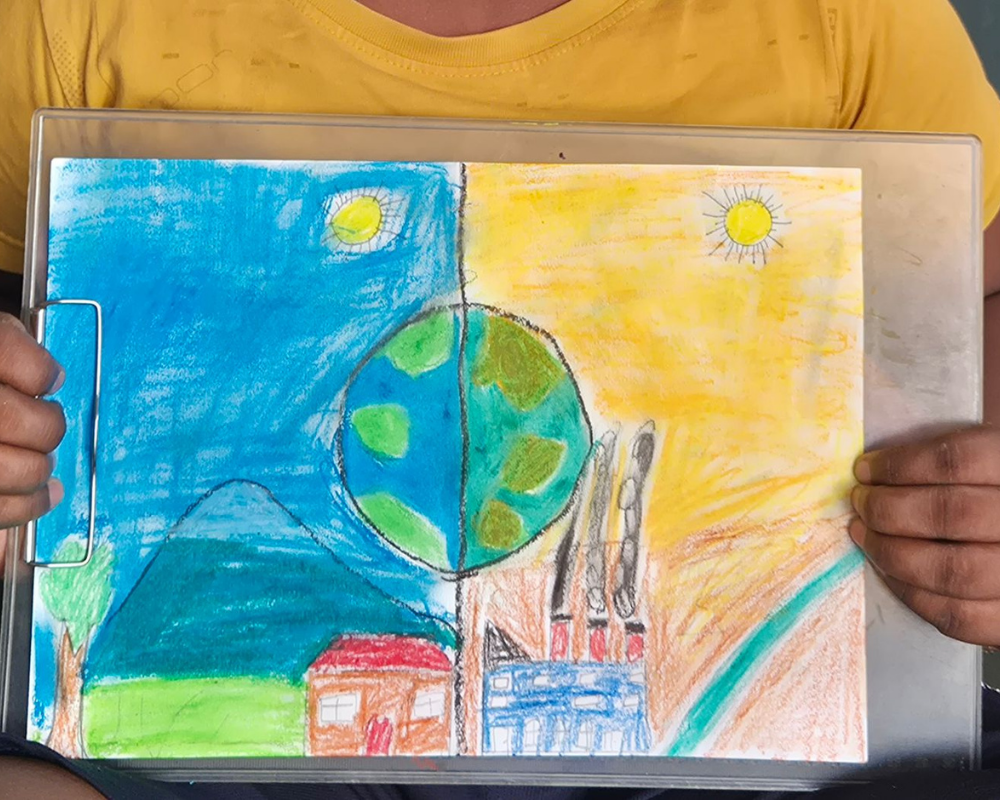
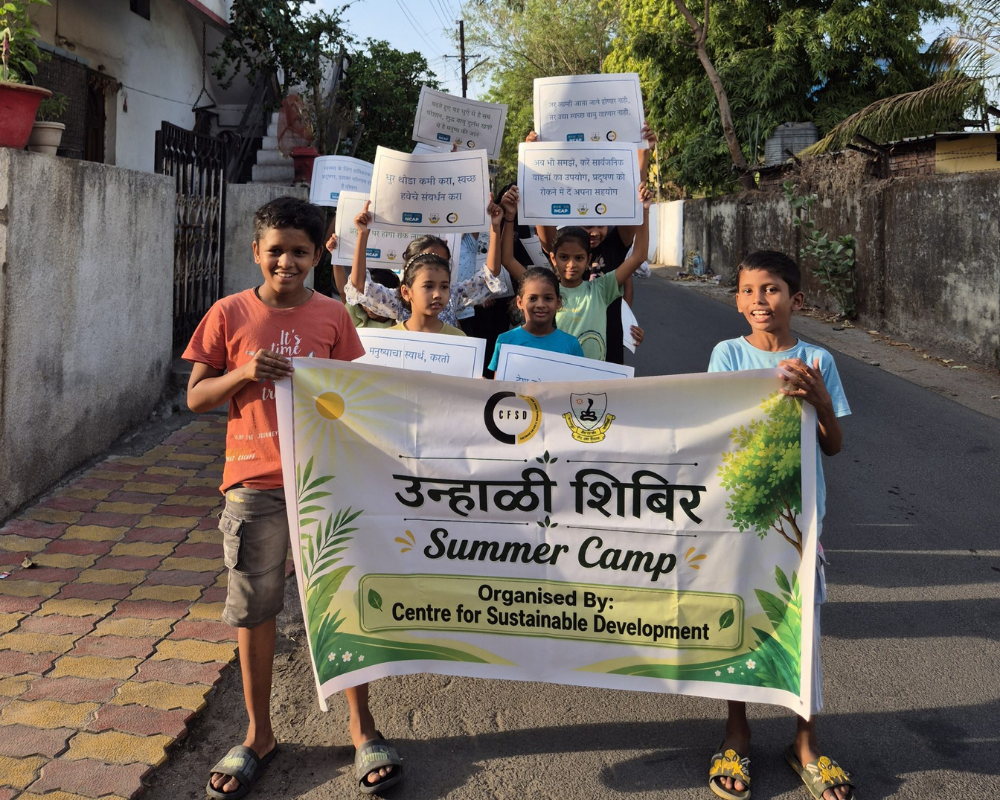
PHOTO-2026-06-11-12-30-17 2

Opinion Piece: Dumping Fly Ash Into Abandoned Coal Mines

Leena Buddhe, Founder and Director of CFSD, expresses her opinion on the planned dumping of fly ash from thermal power plants into abandoned coal mines. This opinion has been featured in the LOKMAT TIMES and TheHitavada on June 11th, 2026, and is an important contribution to on-going discussions about the issue.

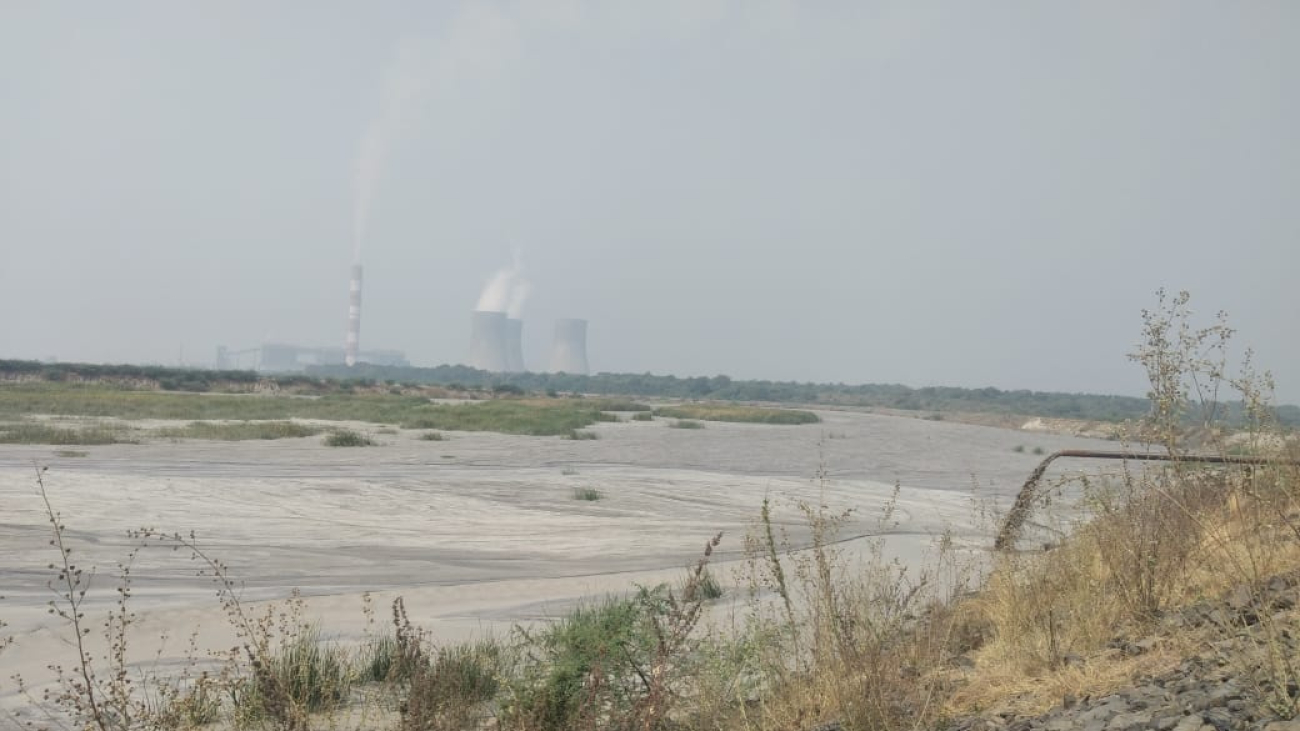
While the news of Hon Minister Shri Chandrashekar Bawankule is a relief to the existing fly ash pollution from the fly ash bunds at Khasala and Waregaon ash bund to the surrounding 21 villages, there are certain issues that must be looked into while looking at the option of using abandoned coal mines for fly ash dumping.

Dumping fly ash into abandoned mine voids is a double-edged sword. While it provides an immediate solution to overflowing ash bunds like Khasala and Waregaon, it poses immense long-term ecological risks if executed incorrectly.

Analysis of Mine Dumping

The policy shifting MahaGenco’s fly ash disposal to abandoned mines serves as a desperate buffer to prevent catastrophic bund collapses. However, treating mines as simple dump yards bypasses the ultimate goal of 100% dry fly ash utilization in commercial products like cement and bricks.

  • The Pros: It frees up critical surface land, prevents structural breaches of overfilled surface dykes, and can neutralize acidic water in specific coal mines via alkaline ash. 
  • The Cons: It introduces heavy metals directly into subterranean systems, threatening aquifers that local communities rely on for drinking and farming. 

Mandatory Guidelines for Mine Backfilling

According to the Ministry of Environment, Forest and Climate Change (MoEFCC) and Central Pollution Control Board (CPCB) guidelines, the following frameworks must be legally followed: 

  • Hydrogeological Feasibility: A thorough study must prove the mine void has no active hydraulic connection to regional clean groundwater channels.
  • Impermeable Liners: Voids must be lined with High-Density Polyethylene (HDPE) or thick clay liners to fully prevent chemical leaching into the earth.
  • Mixing Ratios: Fly ash cannot be dumped pure; it must be mixed with overburden (soil/rock removed during mining), typically at a ratio like 70% overburden to 30% fly ash.
  • Moisture Conditioning: The ash must maintain a minimum 15% moisture level during transit and unloading to avoid becoming airborne dust.
  • Strict Monitoring: Power companies must establish piezometer wells around the mine to monitor groundwater quality parameters every quarter.
  • Topsoil Restoration: The final layer of the filled mine must be capped with original topsoil to allow for eventual ecological restoration and replanting.

Negative Impacts of Mine Dumping

If MahaGenco or its contractors skip these environmental safeguards, the local ecosystem faces severe threats: 

  • Groundwater Contamination: Heavy metals in coal ash (arsenic, mercury, lead, chromium, and cadmium) leach straight into subterranean water tables.
  • Drinking Water Poisoning: Nearby villages will face toxic water lines, failing Bureau of Indian Standards (BIS) safety metrics.
  • Fugitive Air Emissions: Dry, unconditioned ash easily creates massive toxic dust clouds during transport and dumping, triggering severe respiratory issues for locals.
  • Structural Instability: Improperly compacted wet slurry inside a mine void can liquify, triggering sudden sinkholes, land subsidence, or structural shifting.
  • Disruption of Local Drainage: Indiscriminate dumping can clog seasonal streams and alter natural water tables, causing artificial flooding during the monsoon. 

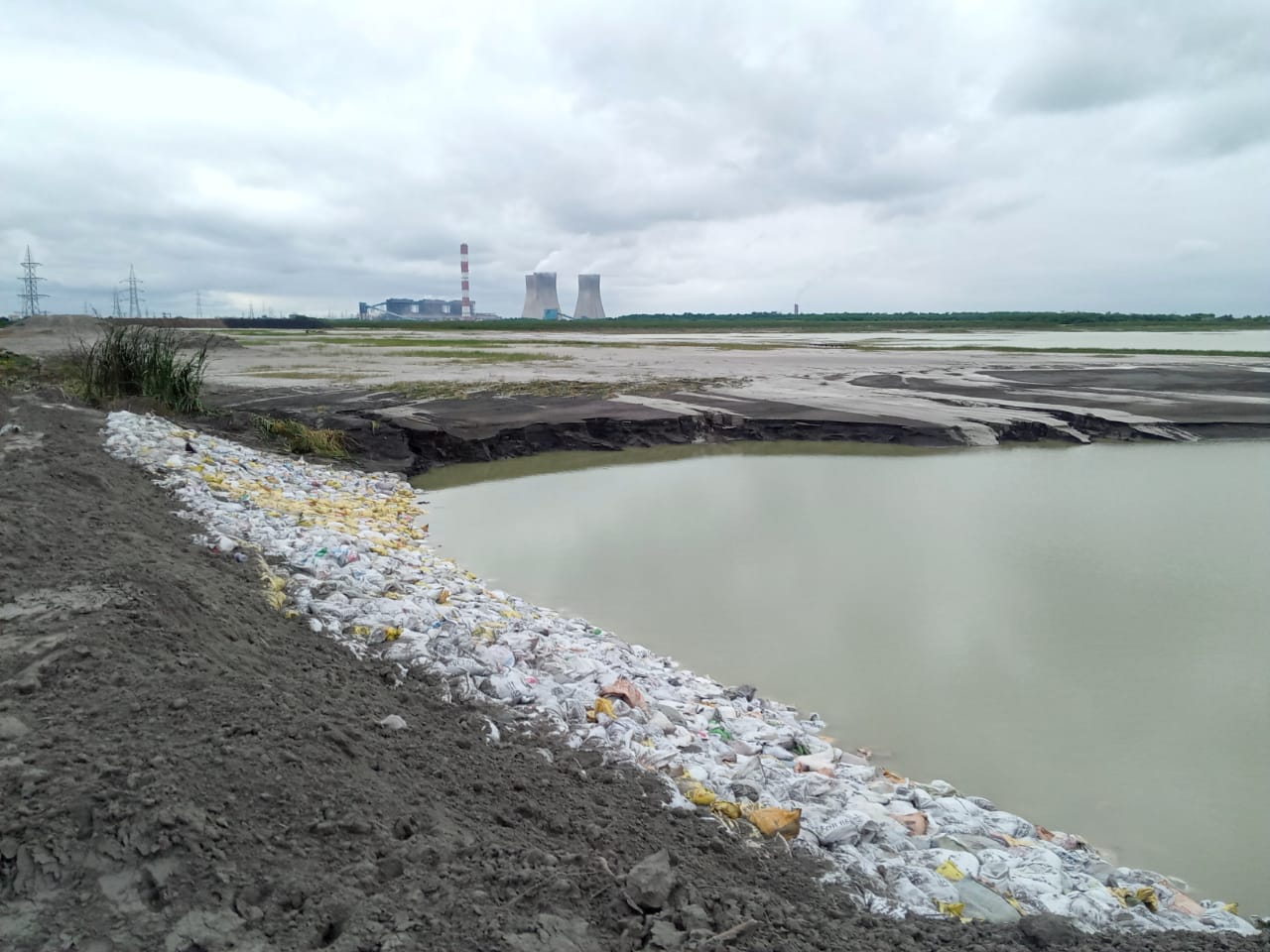
The new ash bund at Nandgaon being used by the Khaparkheda Thermal Power Station for ash slurry dumping should also be scientifically developed. MahaGenco should not repeat the mistakes it had done with unscientific dumping of ash in the existing Khasala and Waregaon ash bunds.

Lagoons should be made, proper HDPE lining should be done and the ash slurry can be done in order to avoid the heavy metal leachates which pollutes the ground water aquifers. When lagoons are made with systematic planning, then there are pathways too inside the ash bund for JCB’s to move and remove the ash for use , this enables 100% fly ash utilization as per the norms.

1000133487

Vasundhara Rakshak – The Protectors of the Earth

This blog was written by Samruddhi Lambe, student of the Institute of Management Nirma University (IMNU) Ahmedabad, and current volunteer at CFSD. She was actively involved in the Vasundhara Rakshak Campaign.

Environmental awareness today is no longer a moral science chapter from a textbook , it is the need of the hour for human kind in order to ensure a sustainable future. Rising issues related to waste disposal management, climate change and sustainable development are deteriorating our environment day by day and have to be dealt with urgently. Keeping this scenario in mind the Vasundhara Rakshak campaign was launched by the Government of Maharashtra to encourage citizens to take conscious steps towards protecting nature for future generations. 

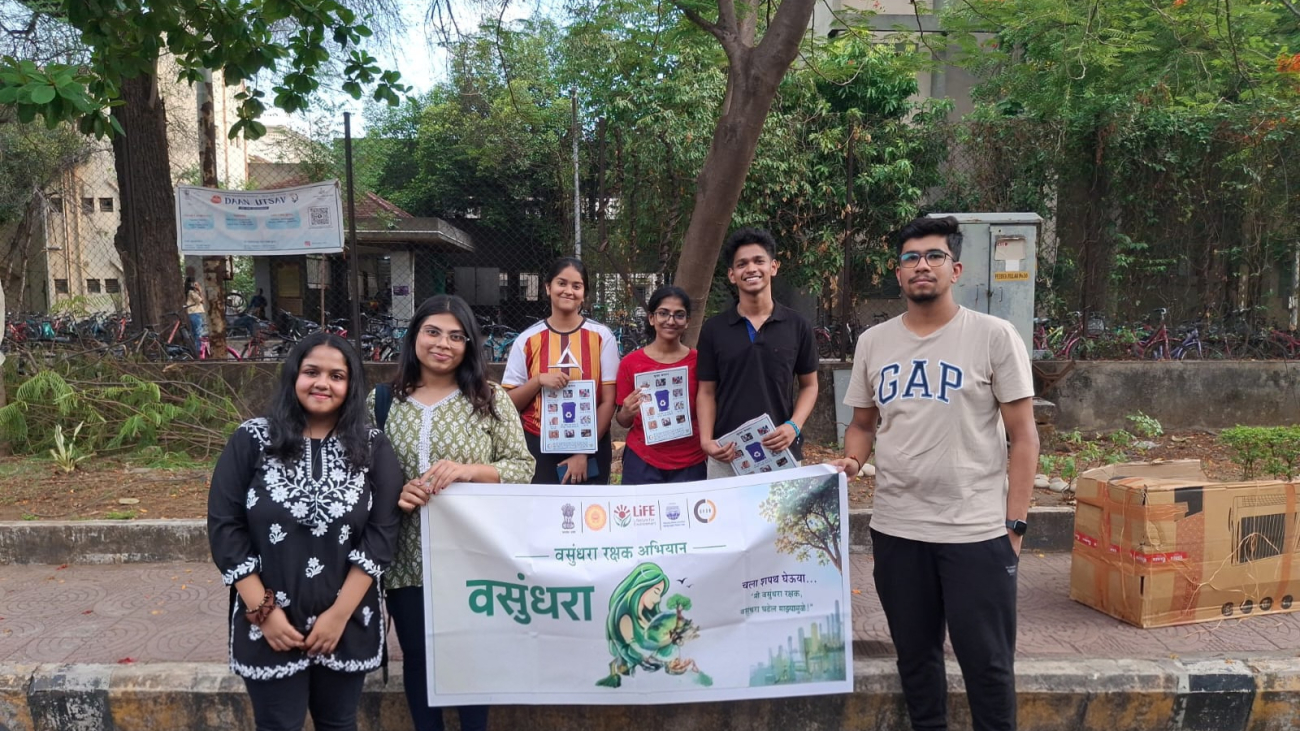
The campaign has been carried out in 5 major cities of Maharashtra which are Mumbai, Pune, Nagpur, Nashik and Chhatrapati Sambhaji Nagar with the aim of building environmental awareness at the grassroot level. 

The campaign was conducted under the guidance of Devendra Fadnavis, the Hon’ble Chief Minister of Maharashtra, and Pankaja Munde, the state’s Environment Minister. It was organized in collaboration with the Maharashtra Pollution Control Board (MPCB) and supported by Coke India. 

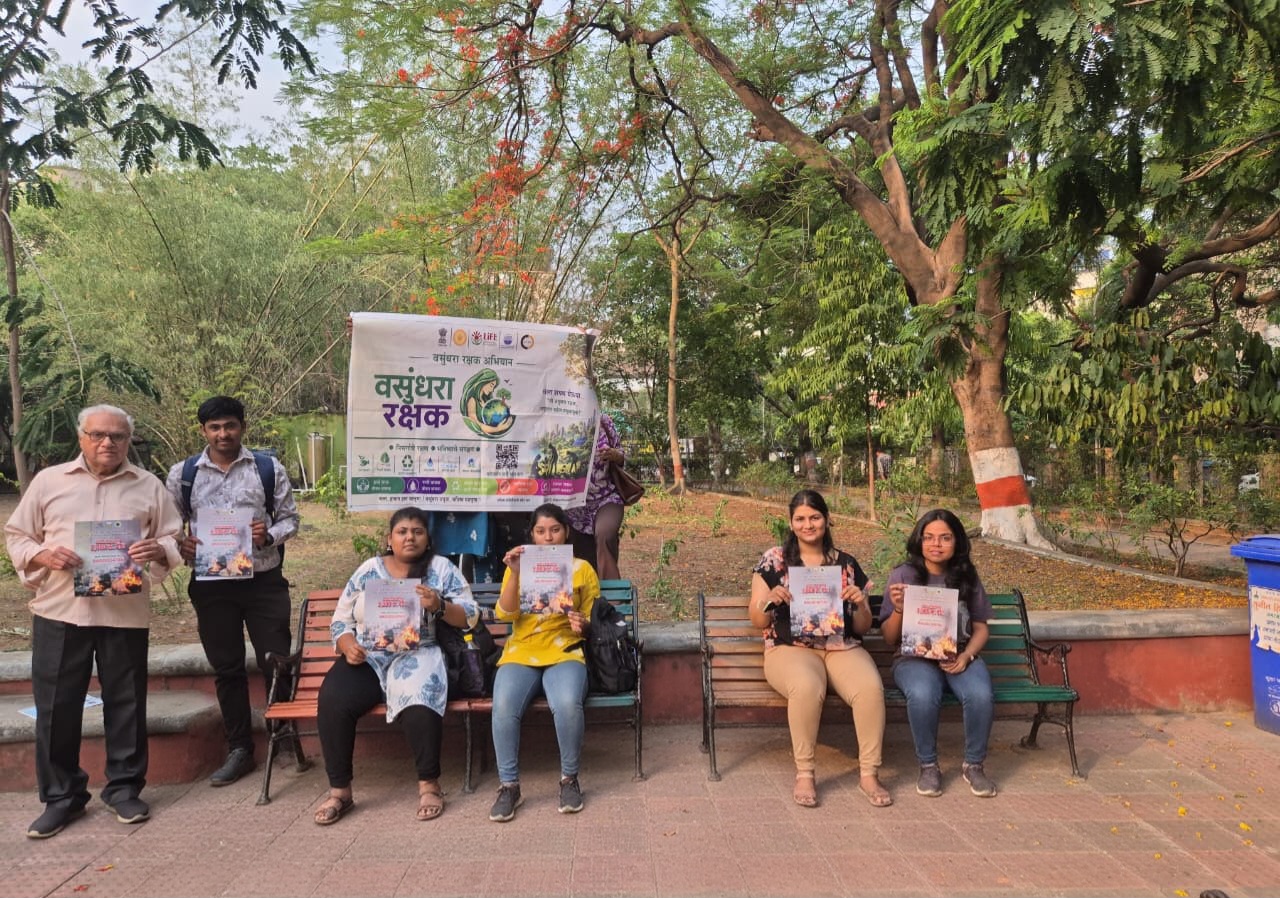
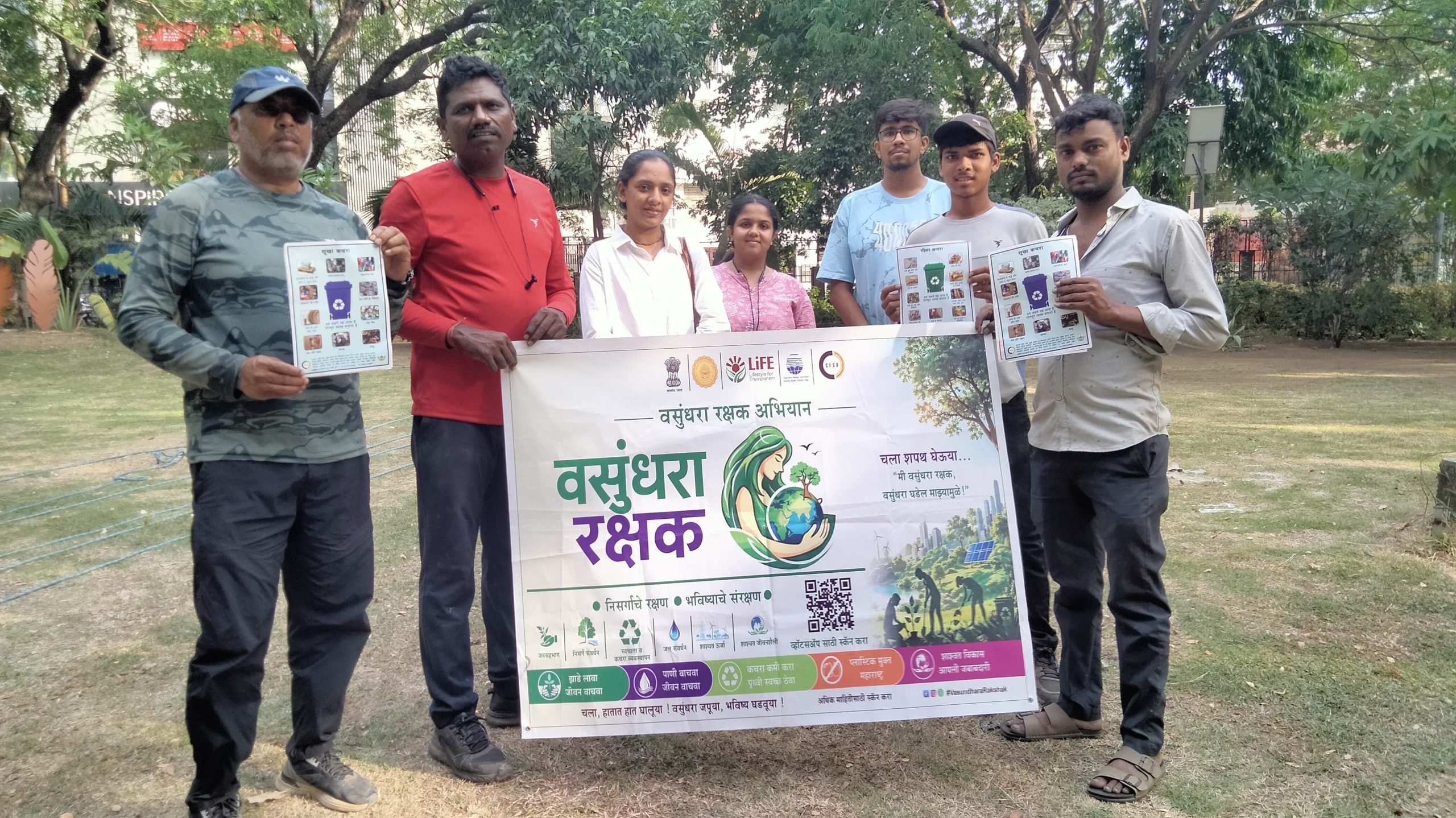
CFSD as a participating organization actively carried out this campaign from 5th May to 13th of May 2026 through awareness drives, community interactions and public engagement activities conducted in Nagpur. 

Taking Awareness to the Community 

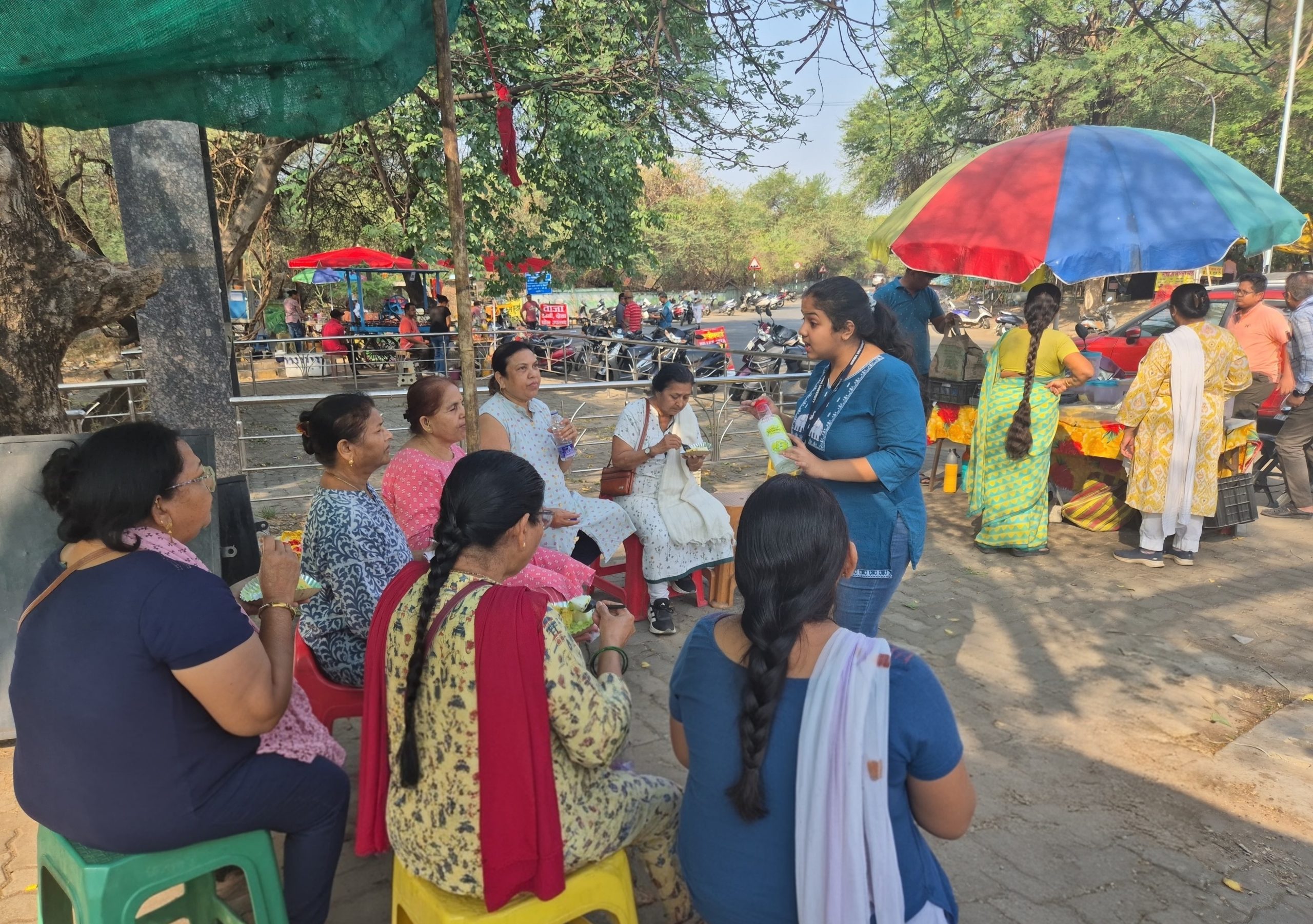
Over the course of two weeks, the CFSD team along with the volunteers visited gardens, public spaces, colleges, residential areas, metro stations, and market places to interact with citizens from different walks of life. The idea was simple: To bring conversations about sustainability directly to people and encourage participation through open discussions and practical awareness. 

The campaign covered important environmental topics such as water conservation, dry and wet waste segregation, the 3Rs (Reduce, Reuse, and Recycle), kitchen composting, reusable plastic, and general responsibility towards surroundings its maintenance and cleanliness. Students, senior citizens, families, working professionals, local vendors, and commuters actively participated in discussions and shared their own thoughts on environmental issues. Many people spoke about the need for cleaner surroundings, reducing plastic usage, conserving water, and building better habits within communities. These interactions opened thoughtful conversations around both citizen responsibility and the role of public initiatives in creating long-term environmental impact. 

One of the most engaging aspects of the campaign was the practical demonstrations and community discussions held during the drives. At Suyog Nagar Garden, CFSD demonstrated its Leaf Composter initiative, which attracted interest from residents and senior citizens alike.  

The discussion that followed became more than just an awareness session. It evolved into a meaningful exchange of experiences, ideas, and observations on how changing lifestyles and everyday practices have impacted the environment. Participants reflected on the shift from minimalistic living to luxury driven lifestyles. 

One of the residents shared that many people now use refrigerators to store cold water instead of earthen pots, which are natural and eco-friendly coolers. They explained that several nature-friendly practices used in the past are often seen as outdated today, without understanding the science and logic behind them. As a result, sustainable habits are being replaced by modern practices that pose threat to the environment. 

The discussion also highlighted how rapid development and infrastructure expansion, often carried out without sufficient consideration of long-term environmental impacts, have contributed to barren land, reduced green cover, and the loss of natural ecosystems. 

The session concluded with a shared understanding of the importance of adopting mindful and sustainable practices to protect the environment for future generations.  

A Step Towards a Greener Future 

The Vasundhara Rakshak Campaign evolved into an opportunity to connect with communities and inspire collective responsibility towards the environment. Over the course of the campaign, countless conversations, interactions, and activities helped spread awareness in a way that was both engaging and impactful.

As the campaign concluded on the 13th of May, it left behind an important reminder that protecting the environment is a shared responsibility. Small actions such as segregating waste, reducing plastic use, conserving resources, and spreading awareness within our communities can collectively create meaningful change over time. The success of the campaign was reflected not just in the number of locations covered, but in the participation, curiosity, and willingness shown by people throughout the journey. Initiatives like Vasundhara Rakshak prove that when communities come together with a shared purpose, positive change becomes possible. 

Because ultimately, becoming a Vasundhara Rakshak – an Earth Protector begins with awareness, action, and the simple choice to care about the future around us. 

WhatsApp Image 2026-03-04 at 12.35.44

Patta Rights and the Beginning of CFSD’s Journey (Part 1/2)

Have you ever wondered how — and more importantly, why — the Centre for Sustainable Development (CFSD) came into being?

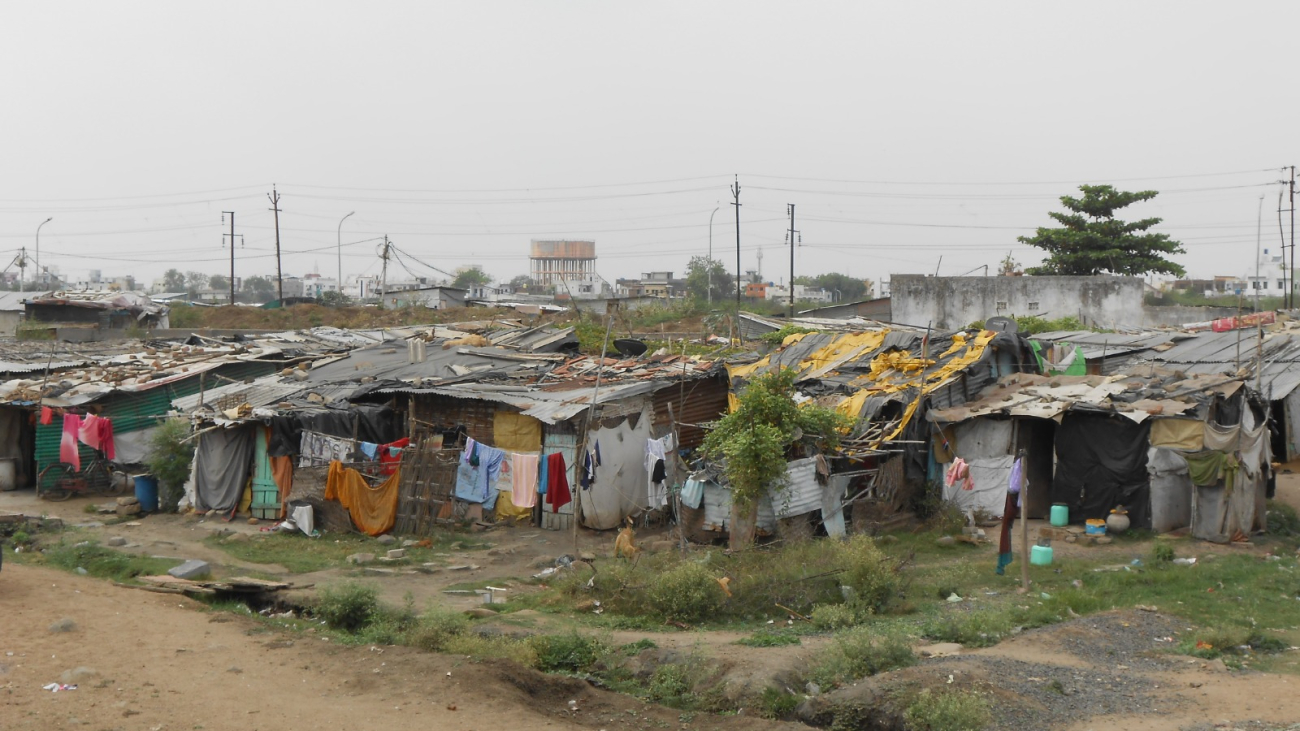
The work we do did not begin with a concrete project proposal or funding plan. Instead, it began on the ground – through conversations with slumdwellers in Nagpur, and a growing want to improve the realities of local communities.

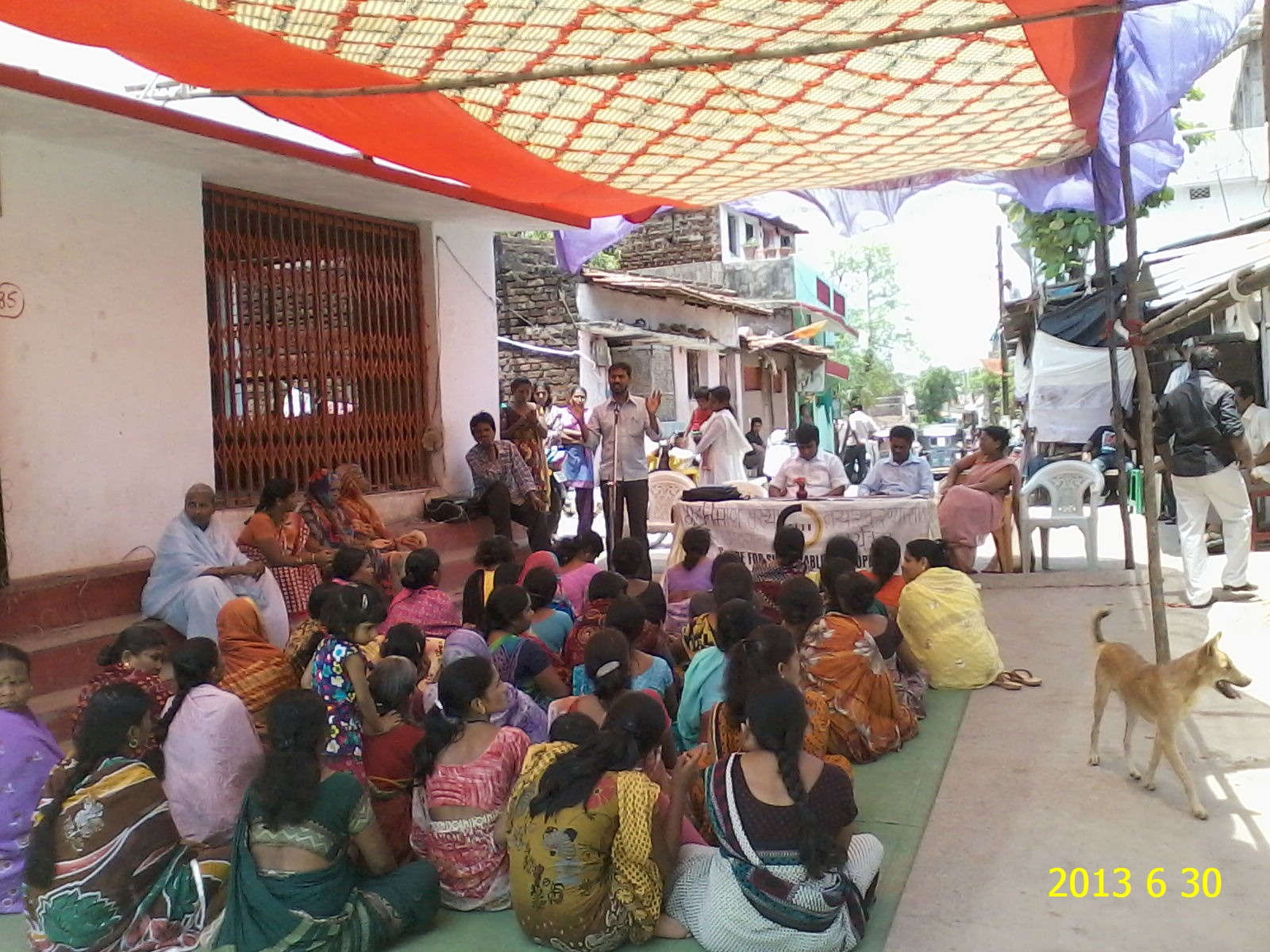
Leena Buddhe, Founder and Director of CFSD, had been working closely with people living in bastis (slums) for a few years before CFSD was established. Many of the families she met had lived on the same land for generations. Yet, despite decades of residence, a deep sense of insecurity consisted as most of them did not own the land they were living on. Conversations were often filled with fear of eviction, fear of displacement, and fear that everything they had built could be taken away overnight.

This insecurity went far beyond shelter. Leena Buddhe realized that it affected livelihoods, children’s education, emotional well-being, and the ability to imagine a future. This meant that any kind of development without land security was incomplete. No matter how well-intentioned, it could never offer long-term stability. Houses could be repaired, toilets could be built, water connections could be installed, but if the land did not belong to the people living on it, everything remained fragile.

What are Patta Rights and Why Do They Matter?

Land tenure recognition for slum dwellers is often granted through a Property Rights Card, commonly referred to as a patta. A patta does not necessarily mean full ownership of the land, but it provides legally recognized occupancy rights and protection from eviction. To own, or at least to have recognized rights over the land beneath your feet, is to experience a sense of belonging and permanence.

The right to property, including land, is settled as a legal right under Article 300A of the Indian Constitution. However, slumdwellers and communities living in informal settlements most often do not have land tenure rights. Instead, the land is primarily owned by either the State Government, Municipal Corporations, or private landowners. Considering that these communities are active contributors and drivers of urban growth, they should not be denied to own land in their city.

Being granted land tenure allows families to invest in their homes, communities to demand services, and individuals to live without constant fear. Also, tenure rights are essential because they offer:

  • Protection against forced evictions
  • A sense of belonging and identity
  • Access to livable assets and basic services
  • Opportunities for livelihood security and empowerment.

Early Policy Steps in Maharashtra

The July 2002 Government Resolution (GR) on tenure rights marked the first concrete policy step toward acknowledging land rights. While far from perfect, it was significant as the GR recognized, for the first time, the importance of tenure security for informal settlements.

In April 2004, the Nazul Department issued another GR that formally recognized the Property Rights Card and outlined instructions for its implementation. The Nazul Department manages Nazul land which is government-owned, non-agricultural land leased for residential, commercial, or institutional use, primarily in urban areas. This GR reflected growing awareness, although progress remained slow and was strongly influenced by the political landscape.

A major shift happened in 2014, when the BJP political party came into power and Mr. Devendra Fadnavis was appointed Chief Minister of Maharashtra. Under this administration, the issue of tenure rights regained momentum. In April 2016, the first official meeting on Property Rights Cards was held.

Becoming the Missing Link

While policies and plans existed, their implementation was difficult. A main part of this was that communities remained disconnected from decision-making, and were unaware of the schemes in place. This meant that intent did not translate into action. As we envisioned a bridge between overlooked communities and governance systems, CFSD found its role and was officially registered on the 23rd of February 2004.

Securing land rights – Pattas – became the foundation of our work. A strong focus was placed on empowering slum dwellers, especially women, through self-help groups and community participation. People were no longer just beneficiaries; they became active participants in shaping their own futures.

Fast forward to today, CFSD has been working on land rights for more than 20 years, and much has happened since those early conversations in Nagpur’s bastis. Policies evolved. Partnerships formed and Pattas began to move from idea to implementation. But that is a story for the next part. In Part 2 of this series, we will explore how CFSD helped transform the concept of land tenure and what challenges emerged along the way.

a71226d5-5ced-4370-beaa-8753c64e4298

Youth for My Bharat: Raising Awareness on Plastic Pollution

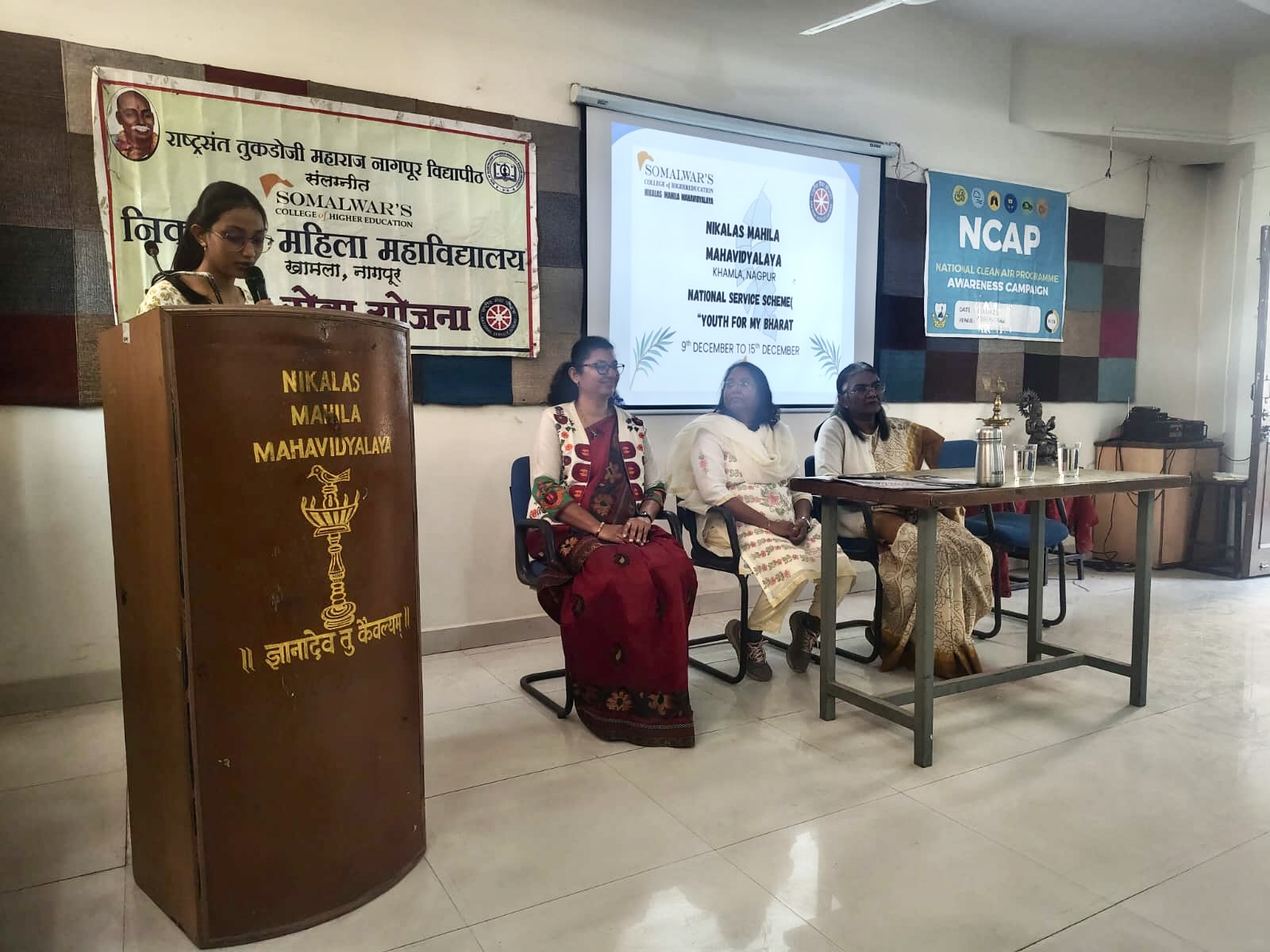
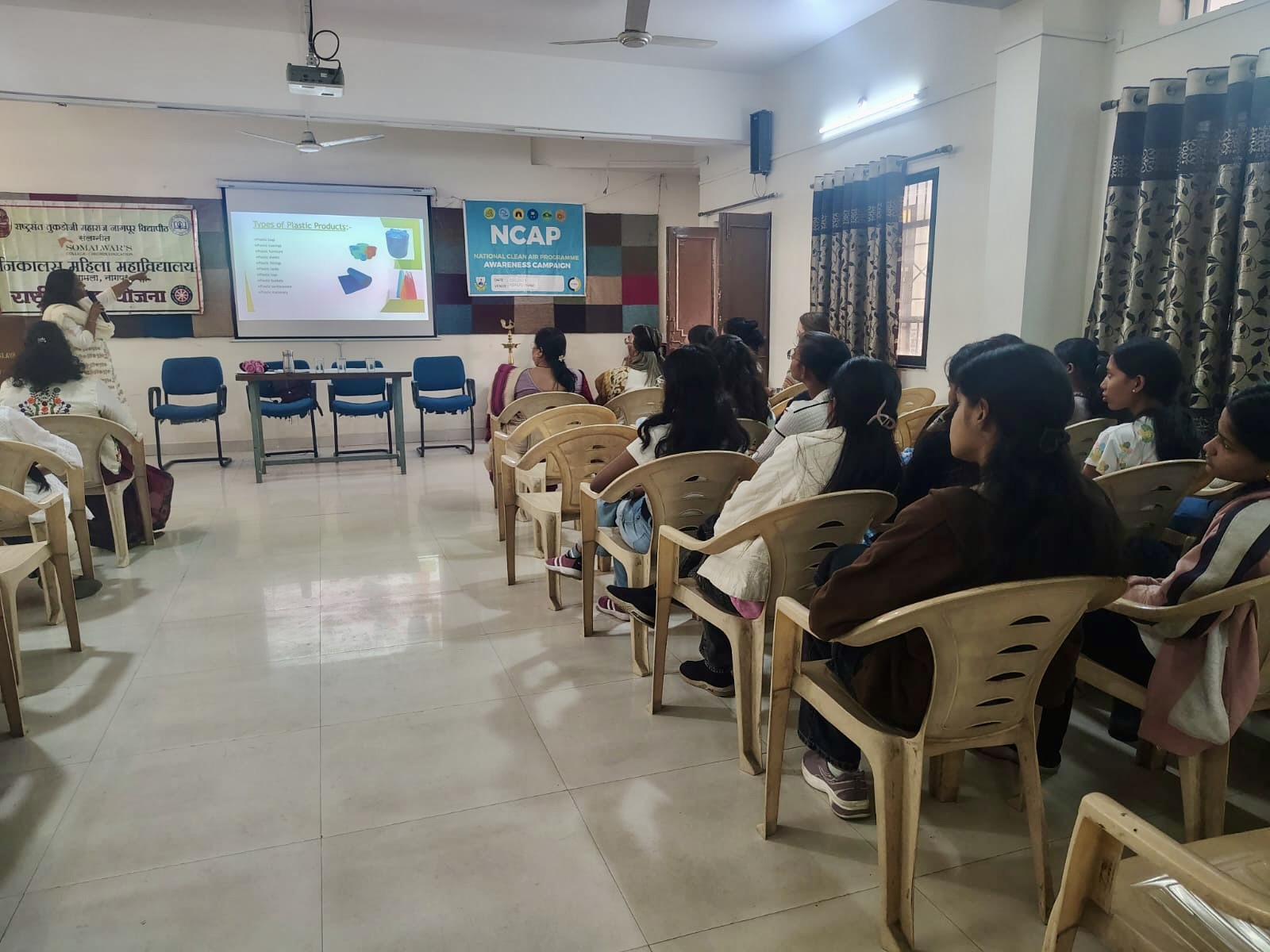
On December 12th, CFSD conducted an awareness programme on plastic pollution at Nikalas Mahila Mahavidyalaya, a girls’ college in Nagpur. The programme took place as part of the National Service Scheme initiative “Youth for My Bharat”, which aims to encourage young people to actively participate in building a sustainable and responsible future for the country.

Understanding Plastic Pollution

The session was led by Leena Buddhe, Founder of CFSD, who introduced students to the fundamentals of plastic pollution. This included information about what plastic is and why it is used so widely, what major sources of plastic pollution are and how harmful it is for human and environment health.

Special attention was given to how plastic pollution impacts land, air, and groundwater, highlighting the long-term consequences of improper plastic disposal. Plastics do not biodegrade easily; instead, they break down into microplastics that enter our food chain, water sources, and even the air we breathe.

Back in 1997, Captain Charles Moore discovered what is now known as the Great Pacific Garbage Patch, the largest accumulation of plastic waste in the ocean. This example helped students understand that plastic pollution is not just a local issue but instead a global environmental crisis.

Reflecting on Everyday Plastic Use

After the presentation,

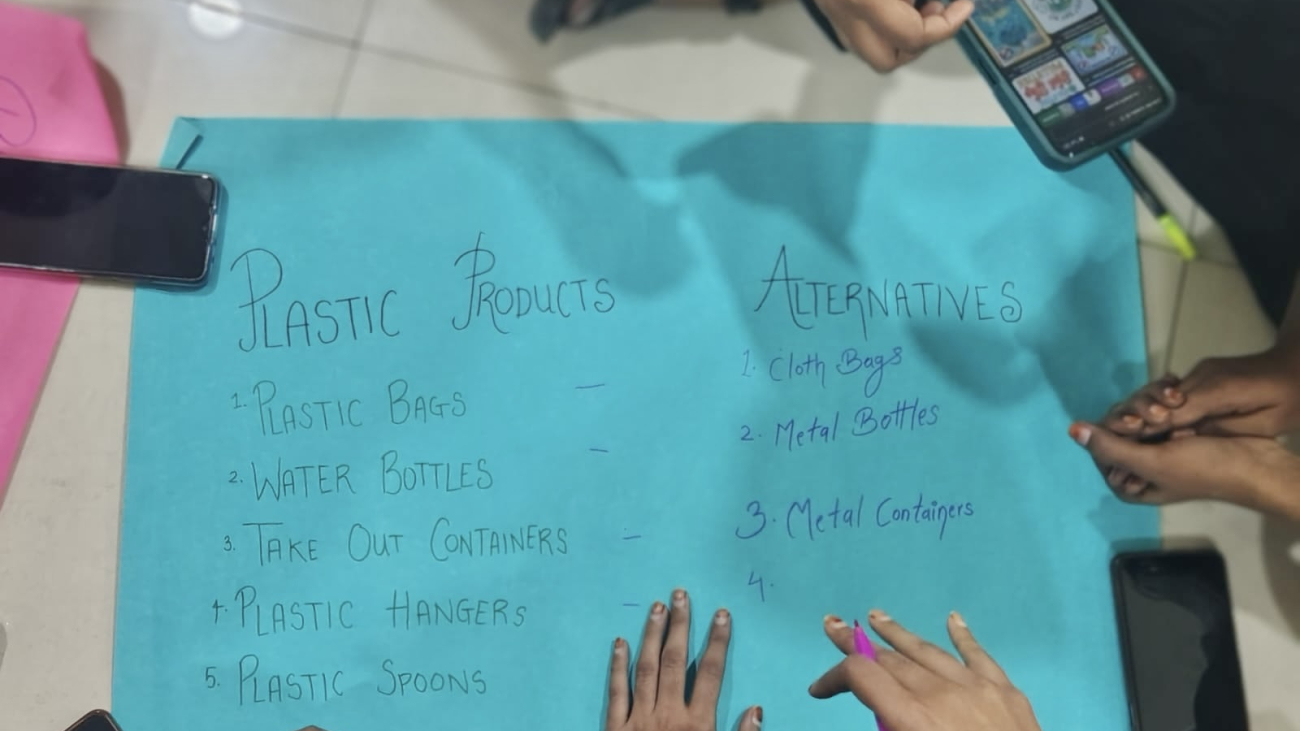
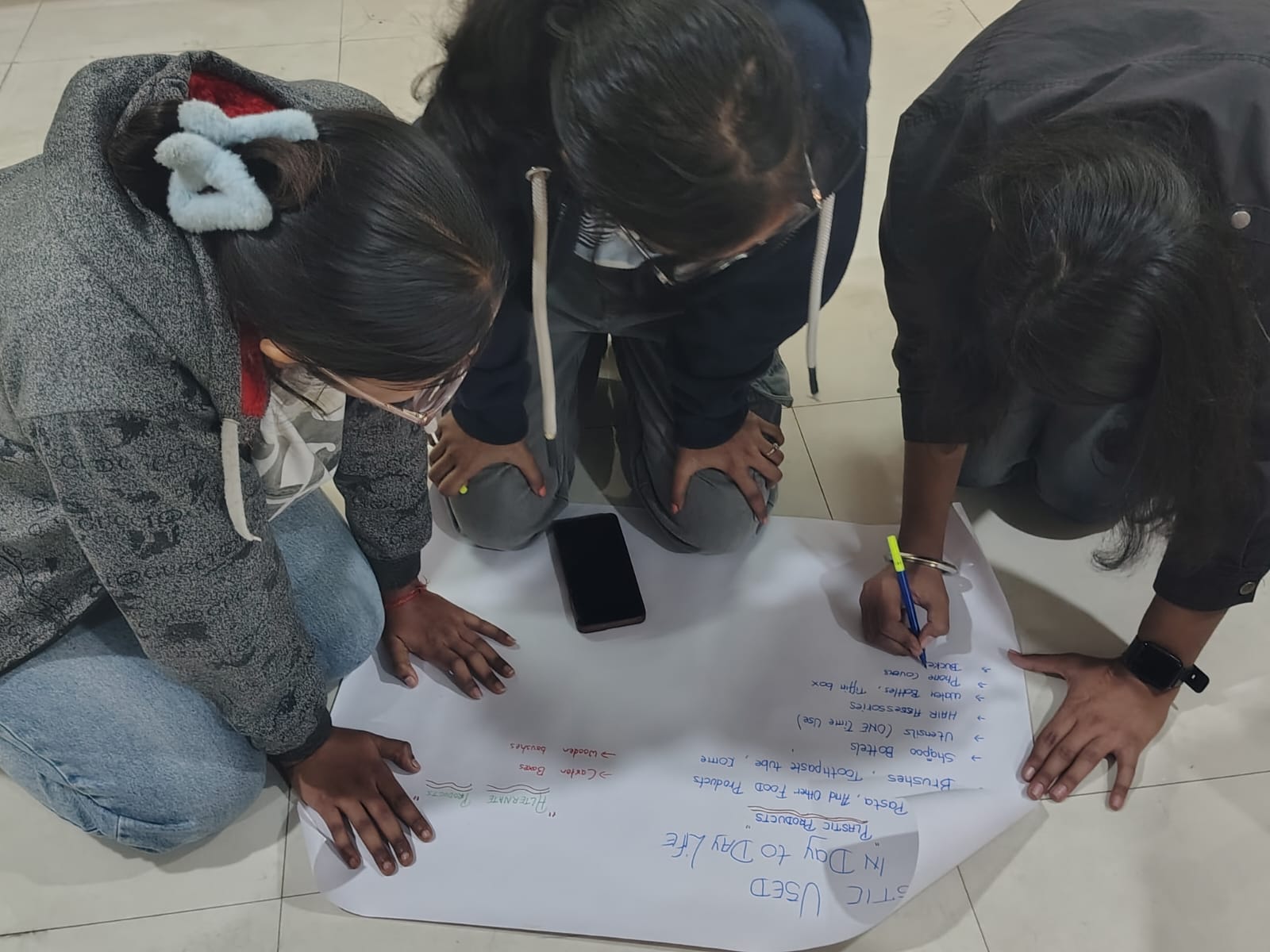
students were encouraged to reflect on their own habits. Divided into groups, the girls were asked to identify plastic products they commonly use every single day and brainstorm about sustainable alternatives. Armed with posters and markers, the groups spread out and began discussions. Unsurprisingly, the first mentioned items included plastic bags and plastic bottles.

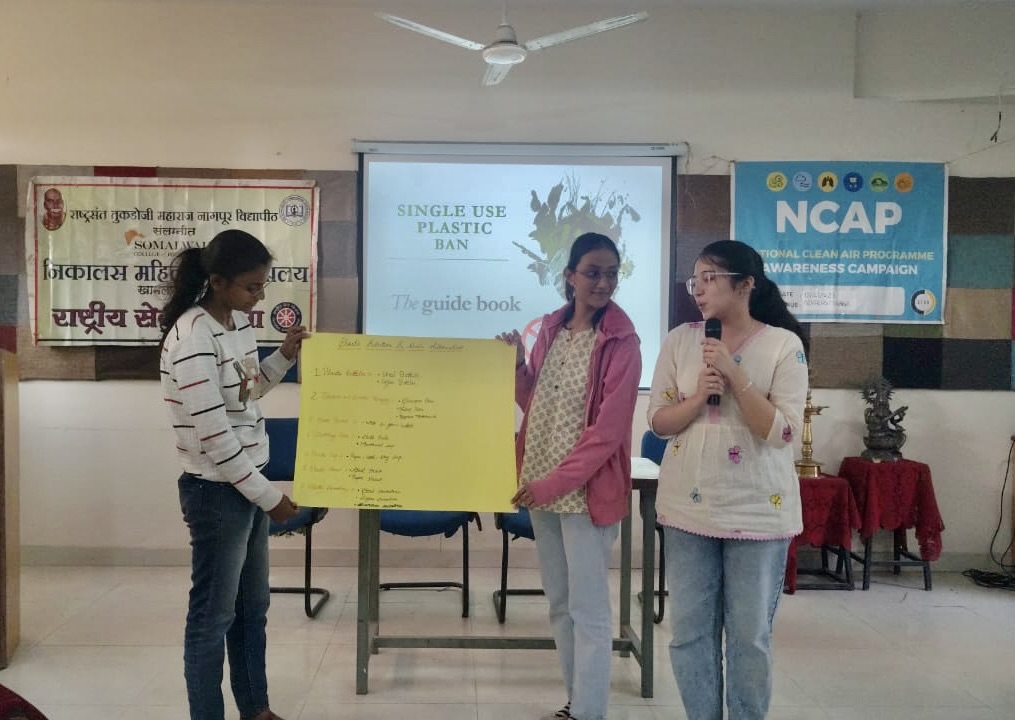
As discussions deepened, students identified disposable plates, cups, and cutlery as well as plastic-heavy food and product packaging. The groups also started to mention sanitary pads. This was an example where many seemed to struggle to think of alternatives, showing how deeply plastic-based products are embedded in everyday life. While presenting, one group said that finding – and using – sustainable alternatives for sanitary pads is still “work in progress”. Options such as reusable pads, cotton cloths, menstrual cups and period underwear were mentioned.

Plastic Ban in India: Knowing the Rules

In July 2022, the Government of India implemented a nationwide ban on several single-use plastic items, including plastic cutlery, straws, stirrers, plates, cups, earbuds with plastic sticks, and certain types of packaging materials. Students were introduced to the plastic ban to understand what is legally allowed and what is prohibited. This is important to bridge the gap between awareness and action, making it clear that refusing plastic is not only an environmental choice but also a civic responsibility.

Small Choices, Big Impact

The programme highlighted an important takeaway: change begins with being aware of the everyday choices that we make. By consciously questioning what we use and actively refusing unnecessary plastic, everyone can contribute meaningfully to reducing plastic pollution.

The enthusiasm and engagement shown by the girls demonstrated the powerful role young people play in driving sustainable change. Empowering youth with knowledge and practical alternatives is a vital step toward a cleaner, healthier, and more sustainable future.


IMG_6685-23

Power of Change: From Classroom to Clean Air

India faces one of the most severe air-pollution challenges in the world. In many areas, waste is still burnt due to lack of awareness or access to sustainable alternatives. This not only contributes to environmental pollution but also poses serious health risks. Reducing open waste burning requires practical solutions that communities can adopt easily. 

Composting is one such solution. It is simple, accessible and highly effective. It reduces pollution, produces valuable compost and contributes to overall resource conservation. 

Why Community Engagement is Key

Whether through low-cost techniques or more advanced systems, composting ultimately depends on one essential ingredient: people.

For composting to make a difference, communities need to understand how it works, why it matters and how it benefits their environment and themselves. Therefore awareness raising and training programs are important and have to be shaped around needs and realities of everyday life. The Centre for Sustainable Development (CFSD) thus is organizing regular community visits with different activities and events in the city.

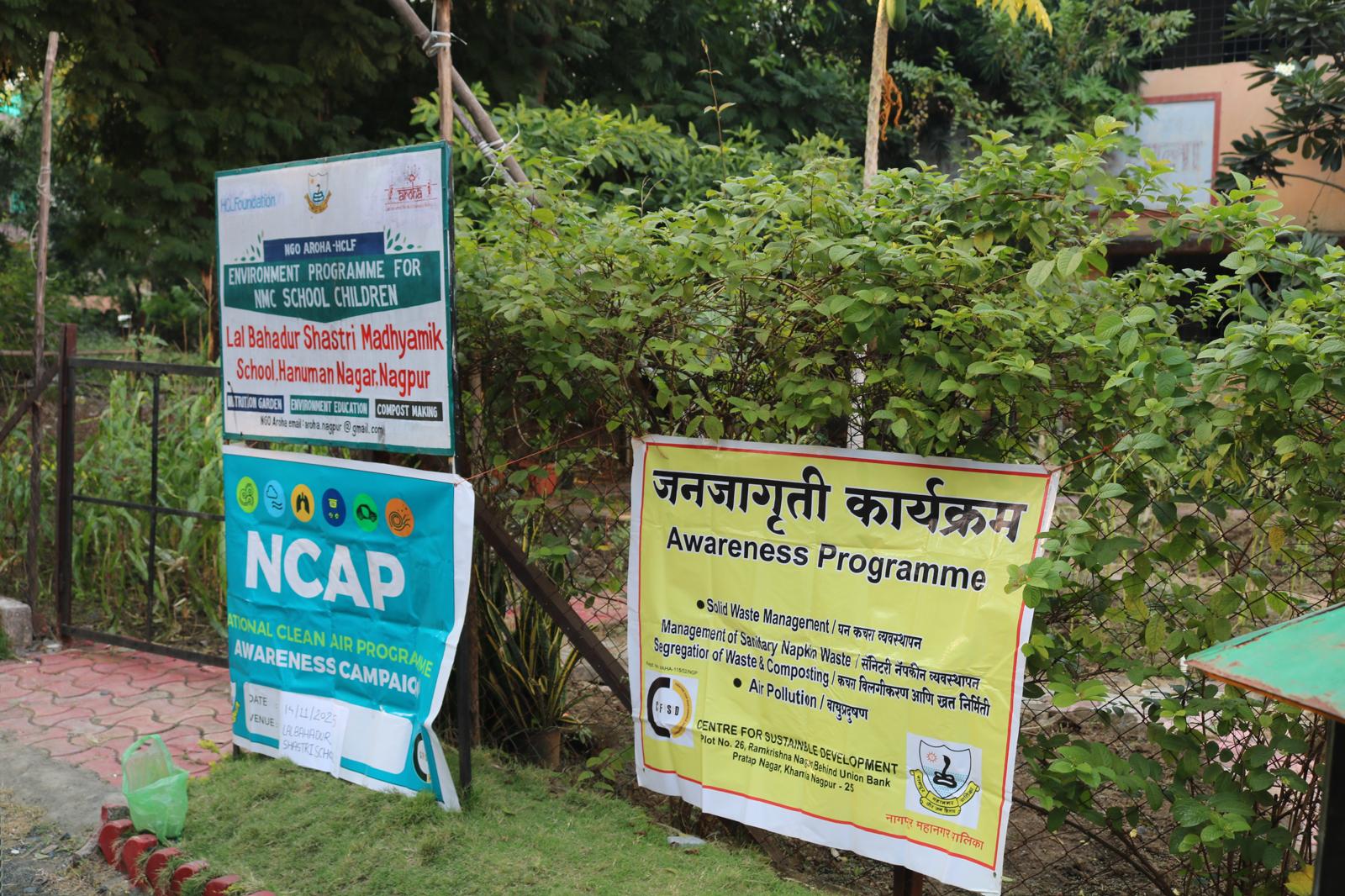
The awareness programs are organized in the city with the Nagpur Municipal Corporation under the National Clean Air Programme (NCAP) which was launched in 2019 by the Central Government of India.

From Classroom to Clean Air

Although all these activities aim to promote environmental awareness, specific trainings and events are tailored to particular target groups, such as students. A school is more than a place of learning. It is a space where habits and values are shaped. When children grow up learning about composting practices at school, environmental awareness becomes part of their everyday thinking. 

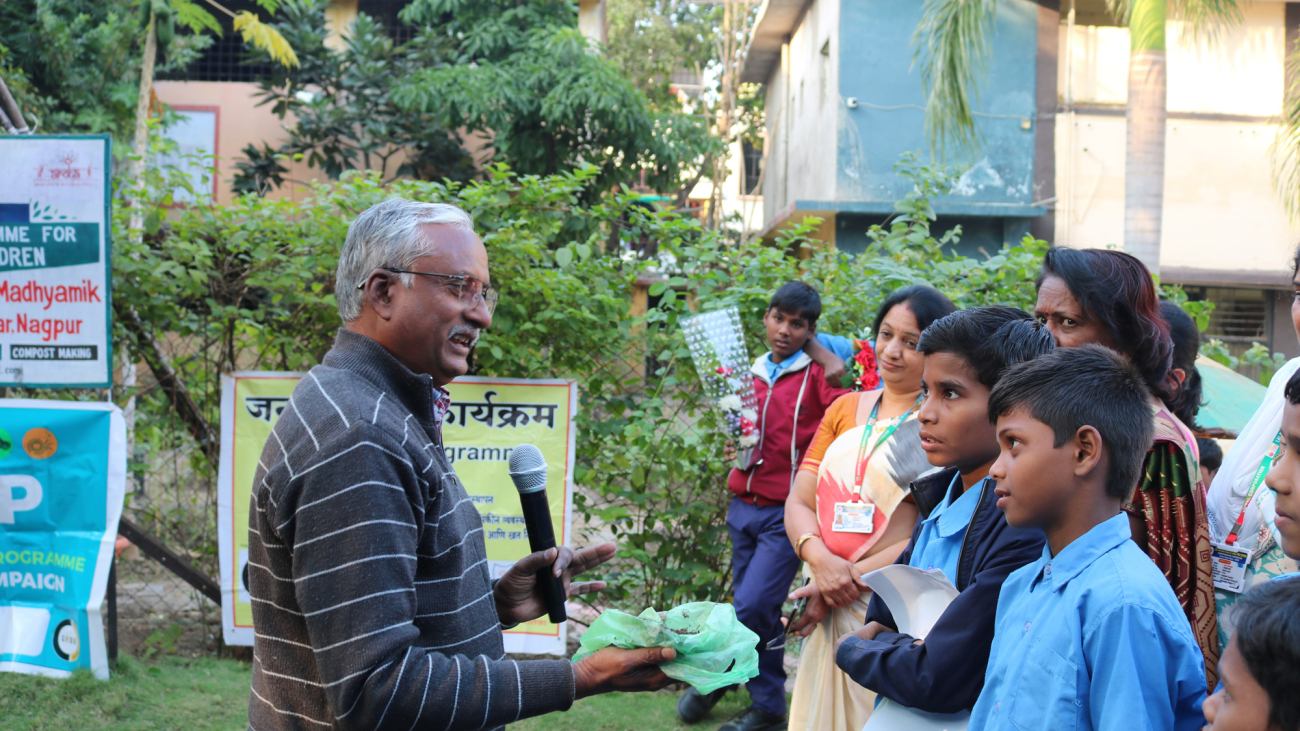
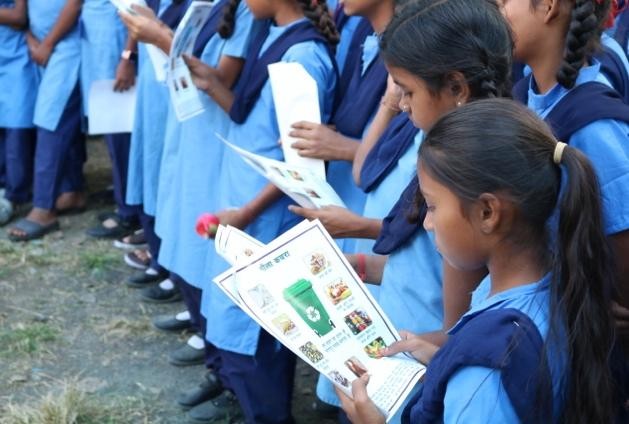
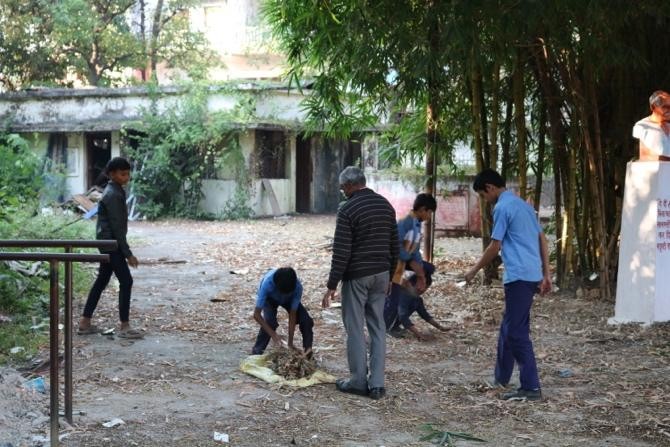
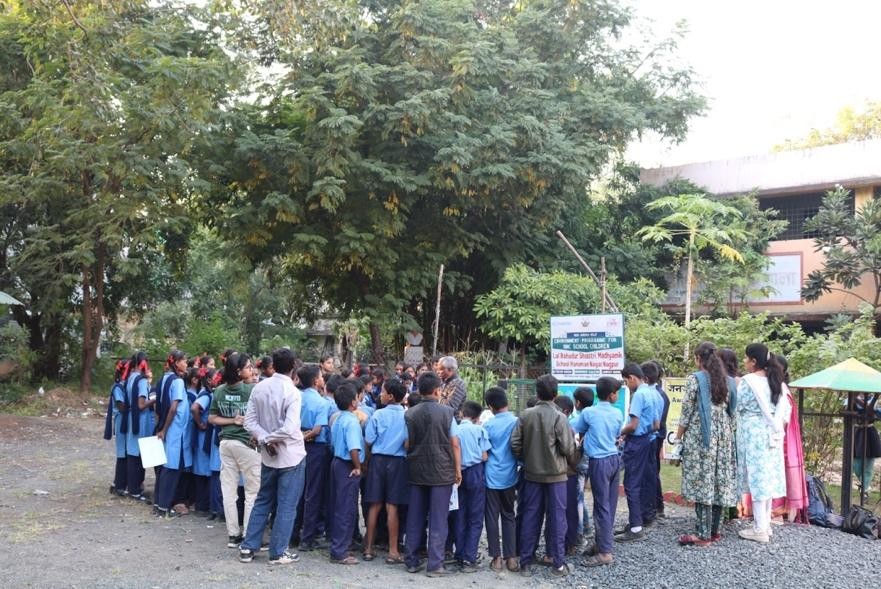
Earlier this month, CFSD conducted a Leaf Composting Training Program at the Lal Bahadur Shastri School in Nagpur. Mr. Laxmikant Padole, agronomist and composting expert, explained how dry leaves can transform into nutrient-rich compost. He introduced simple, hands-on techniques such as the pit method, basket method and vermi-composting. Students did not just listen but also got to practice what it means to collect, layer, and maintain leaves with microbial culture and sprinkle water for effective decomposition. The school turned into a living laboratory where children could gain practical knowledge of composting.

As the composting unit was set up on the campus, the school gave a commitment to monitor and maintain the compost pit regularly. To ensure this, CFSD staff will monitor it monthly. The goal is to then use the compost in school gardens and scale up efforts with further community involvement. Through this initiative, awareness was raised about reducing landfill waste and promoting circular practices. 

While reducing air pollution needs to be a collective effort, everyone can play a meaningful role. Composting is one step into the right direction.