1000135516

Summer Camp: Echoes of a Greener Tomorrow

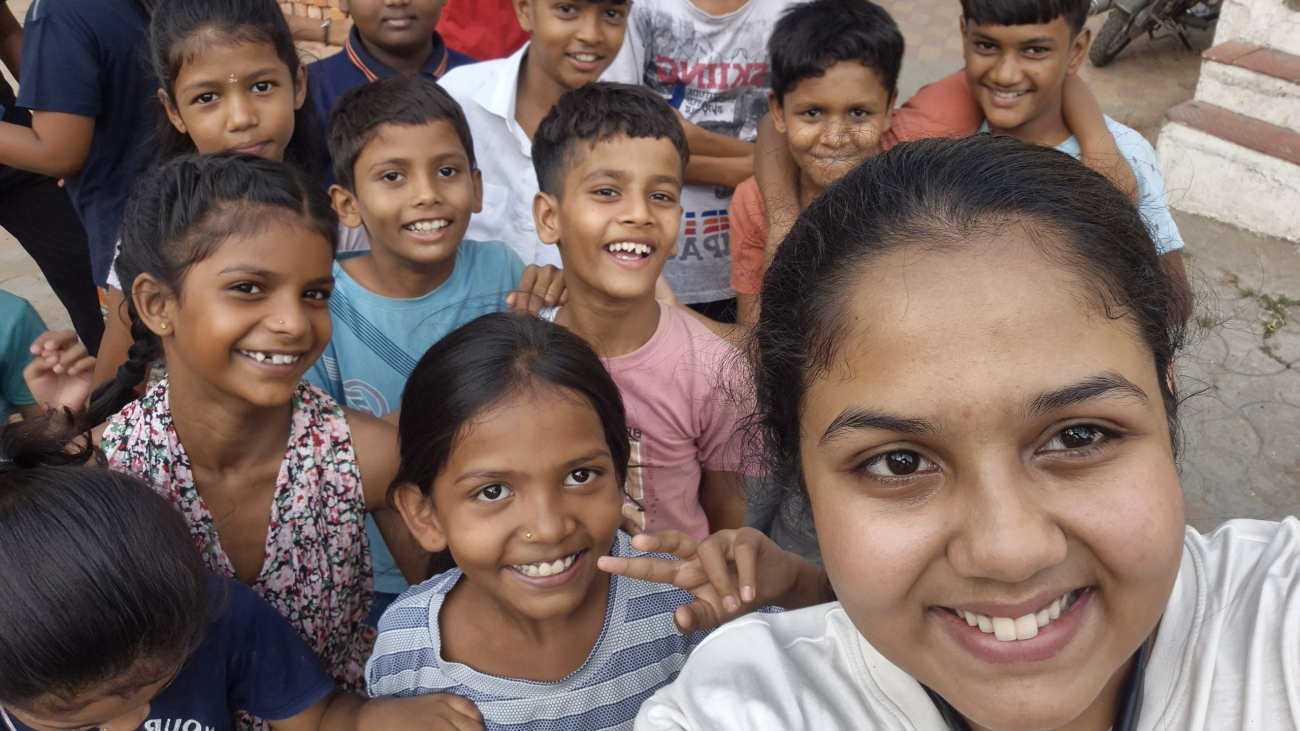
This blog was written by Samruddhi Lambe, student of the Institute of Management Nirma University (IMNU) Ahmedabad, and current volunteer at CFSD. She was actively involved in the Summer Camp.

Children are the carriers of our future, and it is our responsibility to ensure that they carry practices which will ensure their survival in this precarious world which we will gift them with our hands. It now becomes our responsibility to teach our upcoming generations small ways in which they can save their environment. If we fail to act today, they may inherit a world where breathing without an oxygen mask becomes a luxury rather than a necessity.

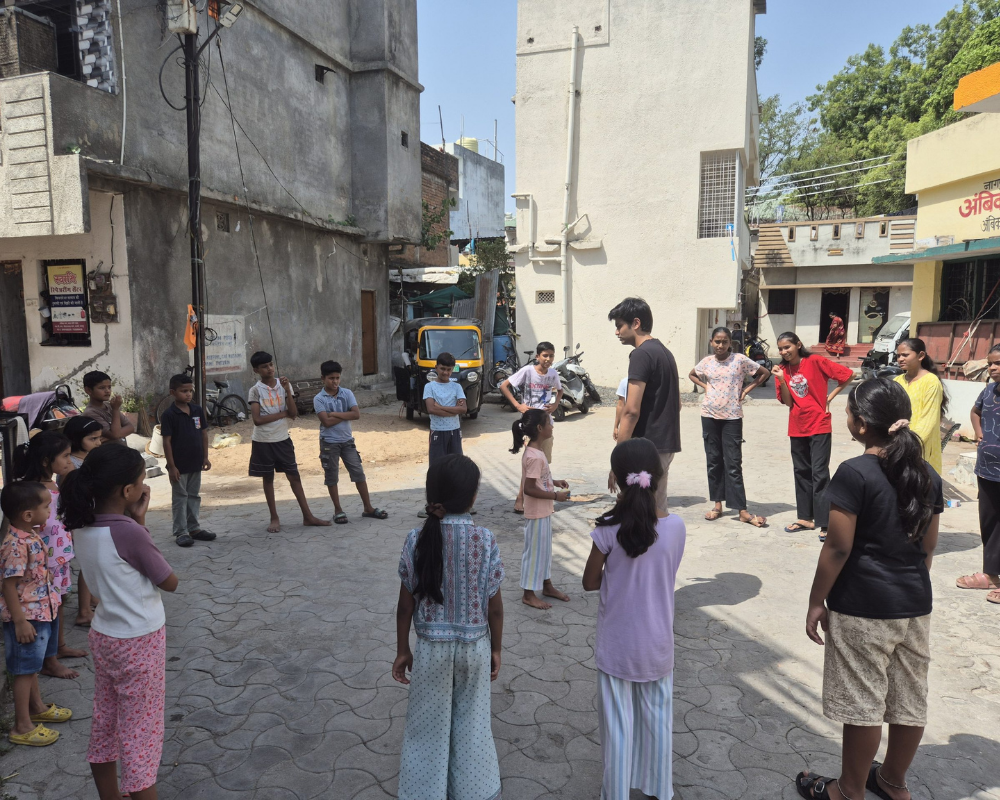
Keeping the current situation in mind, CFSD organized a four-day summer camp from 1st to 5th June 2026 for children in Ambika Nagar, Nagpur. Through interesting games and activities with an environmental twist, the children were taught easy sustainable practices.

The camp aimed to make environmental learning engaging rather than instructional. Its goal was to spread environmental awareness among children at an early age. By doing so, it encouraged them to avoid practices that harm the environment and instead adopt nature-friendly habits that help in its protection.

The four-day camp was designed in a way to ensure that learning about the environment was not limited to lectures or boring instructions but became something that the children could experience through fun and participation.

Day 1 – Waste Management and Water Conservation

On the first day, the focus was on dry and wet waste segregation as well as water conservation. Through an interactive game, the children were given chits with different types of waste and had to identify whether they belonged to the dry or wet waste category. Another activity, inspired by musical chairs, encouraged children to think of ways to save water whenever the music stopped. The children eagerly shared ideas like turning off taps, reusing water, and fixing leaks, proving that even simple conversations can spark awareness.

Day 2 – Conscious Environmental Decision Making

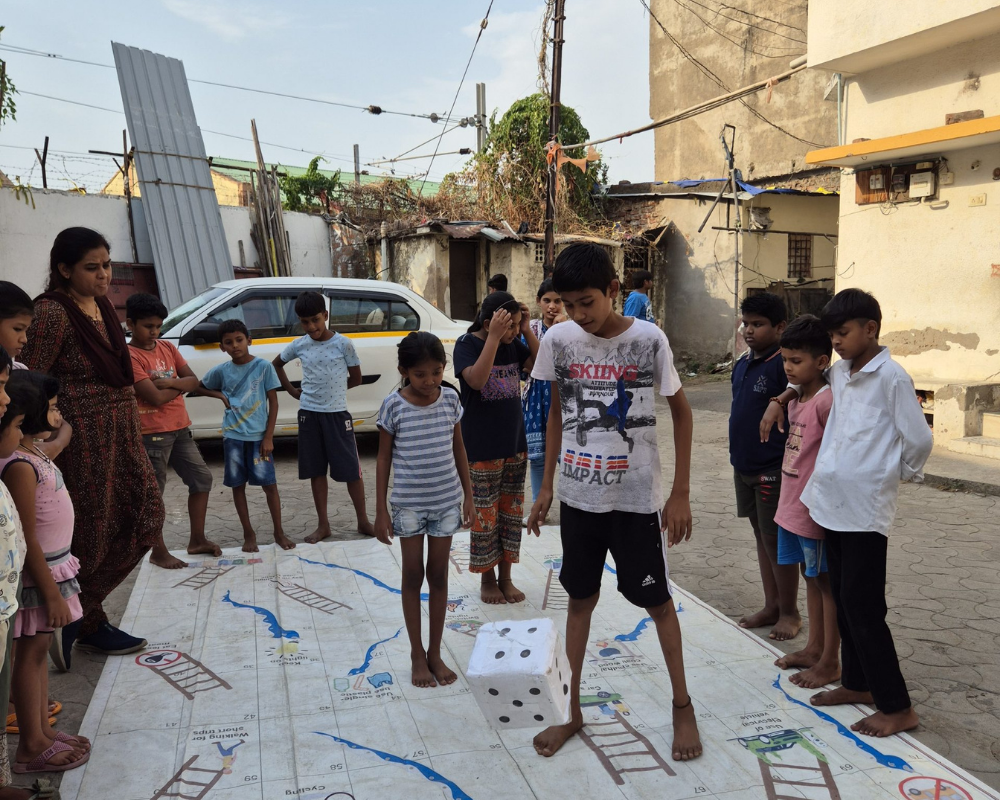
The second day revolved around pollution and the impact of our everyday choices on the environment. A specially designed environmental Snakes and Ladders game helped children understand the difference between environmentally responsible and harmful actions. Good habits such as using public transport and saving water helped them climb ladders, while actions like littering and wasting resources sent them down the snakes. Another energetic game of pollution monsters versus citizens introduced the concept of pollution, showing children that environmental challenges can be overcome when people work together. Discussions were also held on the harmful effects of burning garbage and the importance of reporting such practices.

Day 3 – Expressing the Earth Through Art

On the third day, the children were encouraged to express their thoughts through a drawing competition. They were free to draw either the Earth as they see it today or the Earth, they dream of for the future. The drawings reflected both their creativity and their growing awareness. While some imagined a greener and healthier planet, others highlighted the effects of pollution and environmental degradation.

Day 4 – Learning & Spreading Awareness in the Community

The final day began with a short environmental quiz to revise key concepts from the camp, where children enthusiastically answered questions on different aspects related to environmental issues and their solutions. This was followed by a rally held in Ambika Nagar on World Environment Day (5th June), where children raised slogans promoting environmental protection and sustainable living. The day ended with a small farewell gathering, celebrating their participation and learnings throughout the camp.

As the camp concluded, it left behind not just memories but a gentle shift in awareness among young minds where simple activities turned into meaningful lessons about responsibility towards the environment we share. The camp may have ended in Ambika Nagar, but its message continues beyond those four days, living on in small everyday choices of the children and their growing understanding. CFSD remains hopeful that these young voices will grow into mindful actions, shaping a world where environmental responsibility is not an effort, but a way of life.
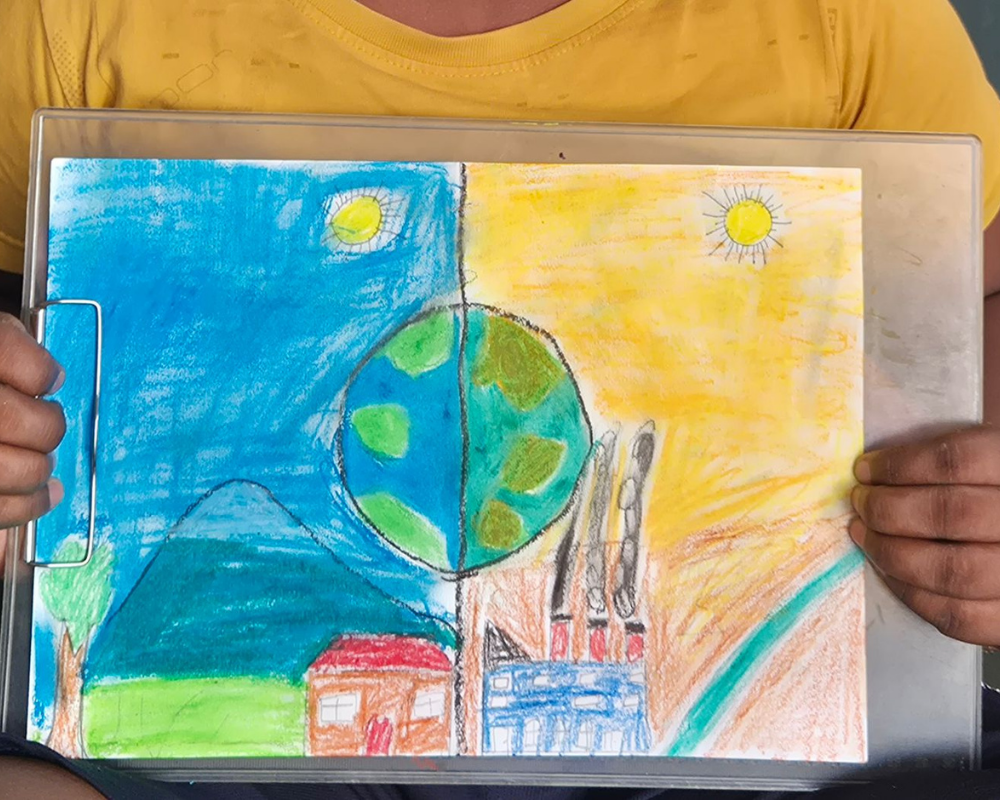
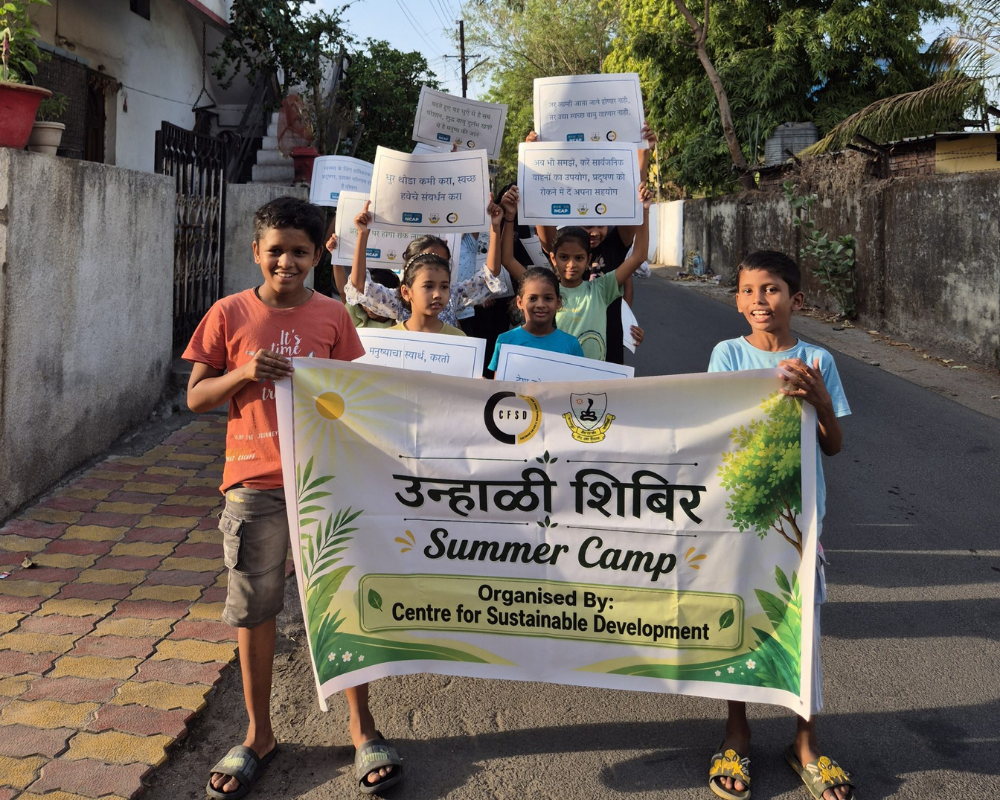
PHOTO-2026-06-11-12-30-17 2

Opinion Piece: Dumping Fly Ash Into Abandoned Coal Mines

Leena Buddhe, Founder and Director of CFSD, expresses her opinion on the planned dumping of fly ash from thermal power plants into abandoned coal mines. This opinion has been featured in the LOKMAT TIMES and TheHitavada on June 11th, 2026, and is an important contribution to on-going discussions about the issue.

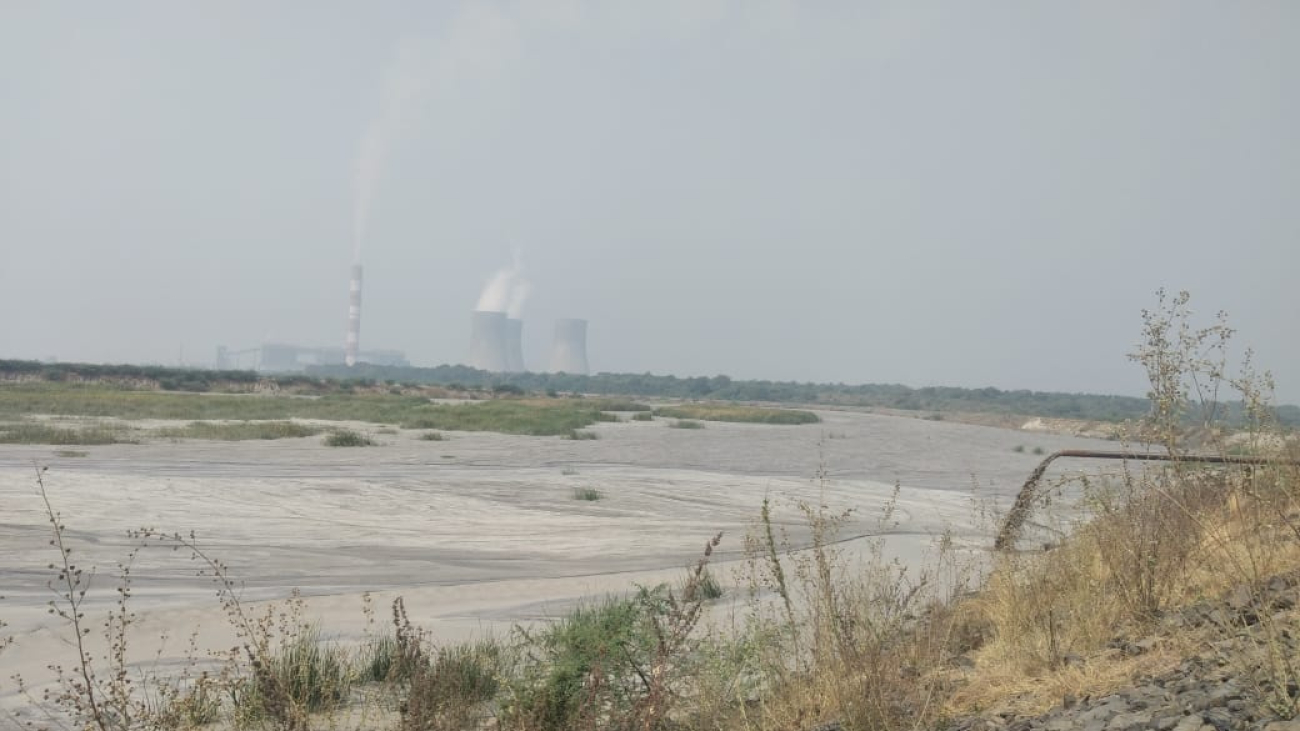
While the news of Hon Minister Shri Chandrashekar Bawankule is a relief to the existing fly ash pollution from the fly ash bunds at Khasala and Waregaon ash bund to the surrounding 21 villages, there are certain issues that must be looked into while looking at the option of using abandoned coal mines for fly ash dumping.

Dumping fly ash into abandoned mine voids is a double-edged sword. While it provides an immediate solution to overflowing ash bunds like Khasala and Waregaon, it poses immense long-term ecological risks if executed incorrectly.

Analysis of Mine Dumping

The policy shifting MahaGenco’s fly ash disposal to abandoned mines serves as a desperate buffer to prevent catastrophic bund collapses. However, treating mines as simple dump yards bypasses the ultimate goal of 100% dry fly ash utilization in commercial products like cement and bricks.

  • The Pros: It frees up critical surface land, prevents structural breaches of overfilled surface dykes, and can neutralize acidic water in specific coal mines via alkaline ash. 
  • The Cons: It introduces heavy metals directly into subterranean systems, threatening aquifers that local communities rely on for drinking and farming. 

Mandatory Guidelines for Mine Backfilling

According to the Ministry of Environment, Forest and Climate Change (MoEFCC) and Central Pollution Control Board (CPCB) guidelines, the following frameworks must be legally followed: 

  • Hydrogeological Feasibility: A thorough study must prove the mine void has no active hydraulic connection to regional clean groundwater channels.
  • Impermeable Liners: Voids must be lined with High-Density Polyethylene (HDPE) or thick clay liners to fully prevent chemical leaching into the earth.
  • Mixing Ratios: Fly ash cannot be dumped pure; it must be mixed with overburden (soil/rock removed during mining), typically at a ratio like 70% overburden to 30% fly ash.
  • Moisture Conditioning: The ash must maintain a minimum 15% moisture level during transit and unloading to avoid becoming airborne dust.
  • Strict Monitoring: Power companies must establish piezometer wells around the mine to monitor groundwater quality parameters every quarter.
  • Topsoil Restoration: The final layer of the filled mine must be capped with original topsoil to allow for eventual ecological restoration and replanting.

Negative Impacts of Mine Dumping

If MahaGenco or its contractors skip these environmental safeguards, the local ecosystem faces severe threats: 

  • Groundwater Contamination: Heavy metals in coal ash (arsenic, mercury, lead, chromium, and cadmium) leach straight into subterranean water tables.
  • Drinking Water Poisoning: Nearby villages will face toxic water lines, failing Bureau of Indian Standards (BIS) safety metrics.
  • Fugitive Air Emissions: Dry, unconditioned ash easily creates massive toxic dust clouds during transport and dumping, triggering severe respiratory issues for locals.
  • Structural Instability: Improperly compacted wet slurry inside a mine void can liquify, triggering sudden sinkholes, land subsidence, or structural shifting.
  • Disruption of Local Drainage: Indiscriminate dumping can clog seasonal streams and alter natural water tables, causing artificial flooding during the monsoon. 

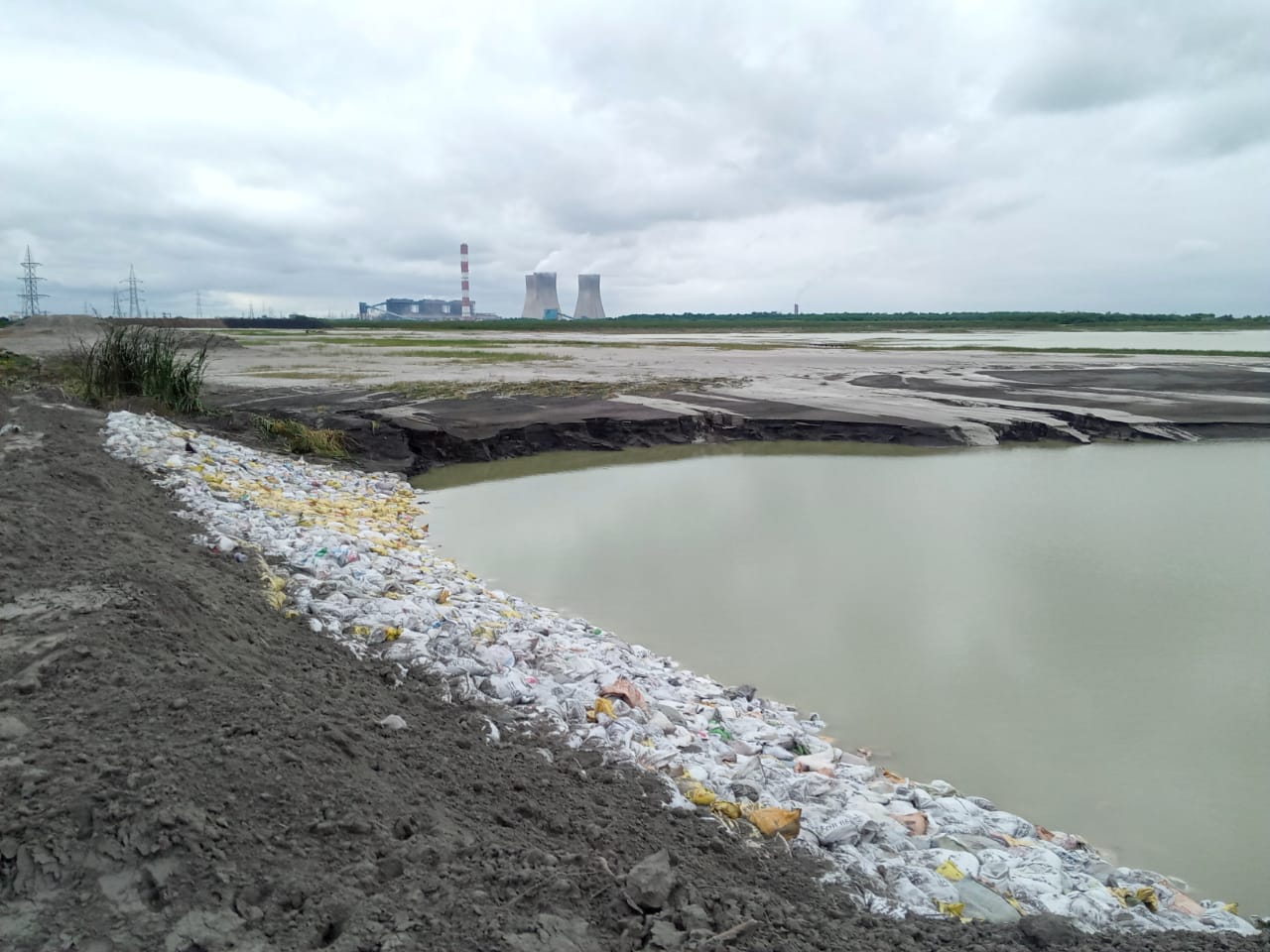
The new ash bund at Nandgaon being used by the Khaparkheda Thermal Power Station for ash slurry dumping should also be scientifically developed. MahaGenco should not repeat the mistakes it had done with unscientific dumping of ash in the existing Khasala and Waregaon ash bunds.

Lagoons should be made, proper HDPE lining should be done and the ash slurry can be done in order to avoid the heavy metal leachates which pollutes the ground water aquifers. When lagoons are made with systematic planning, then there are pathways too inside the ash bund for JCB’s to move and remove the ash for use , this enables 100% fly ash utilization as per the norms.