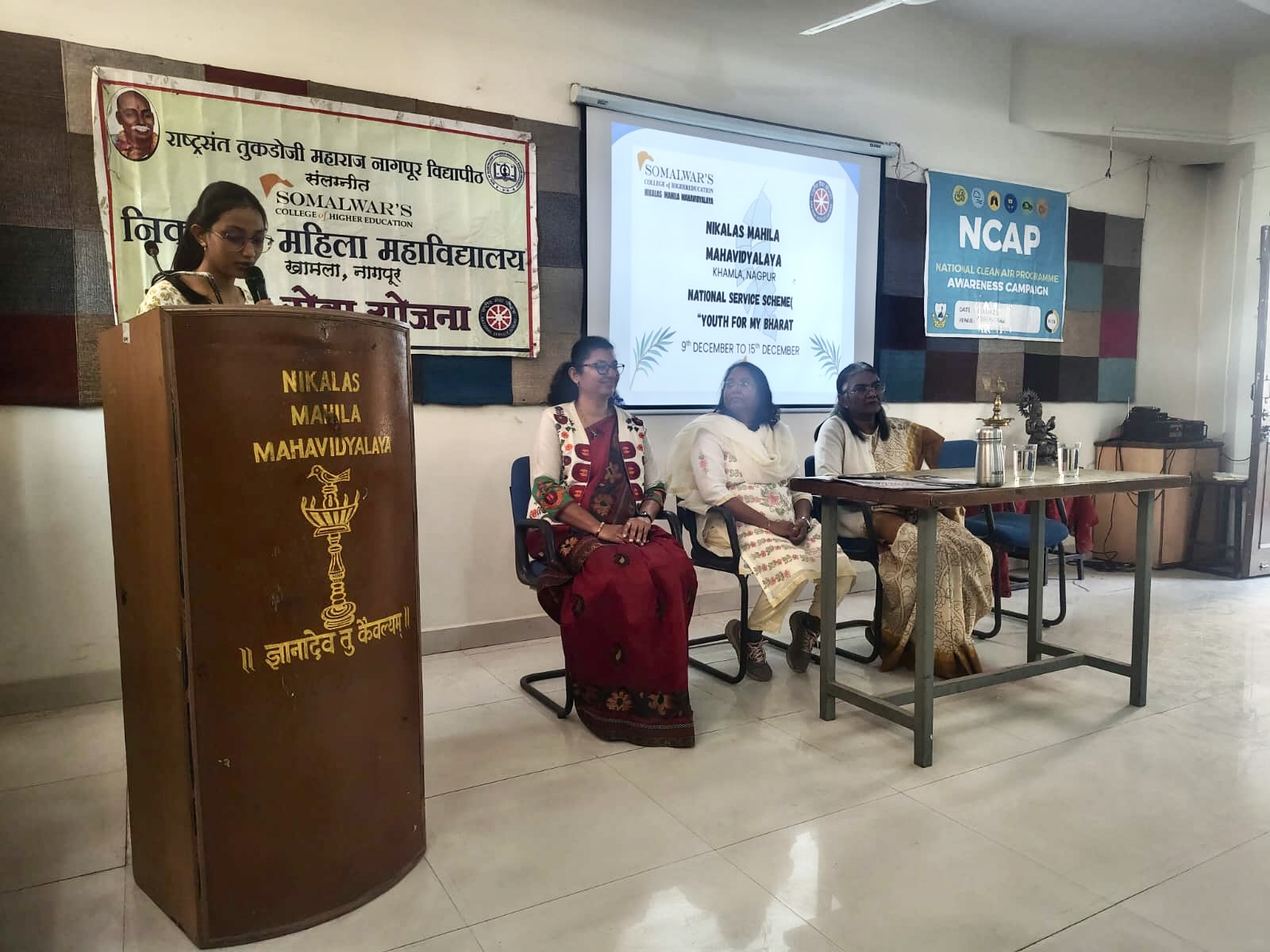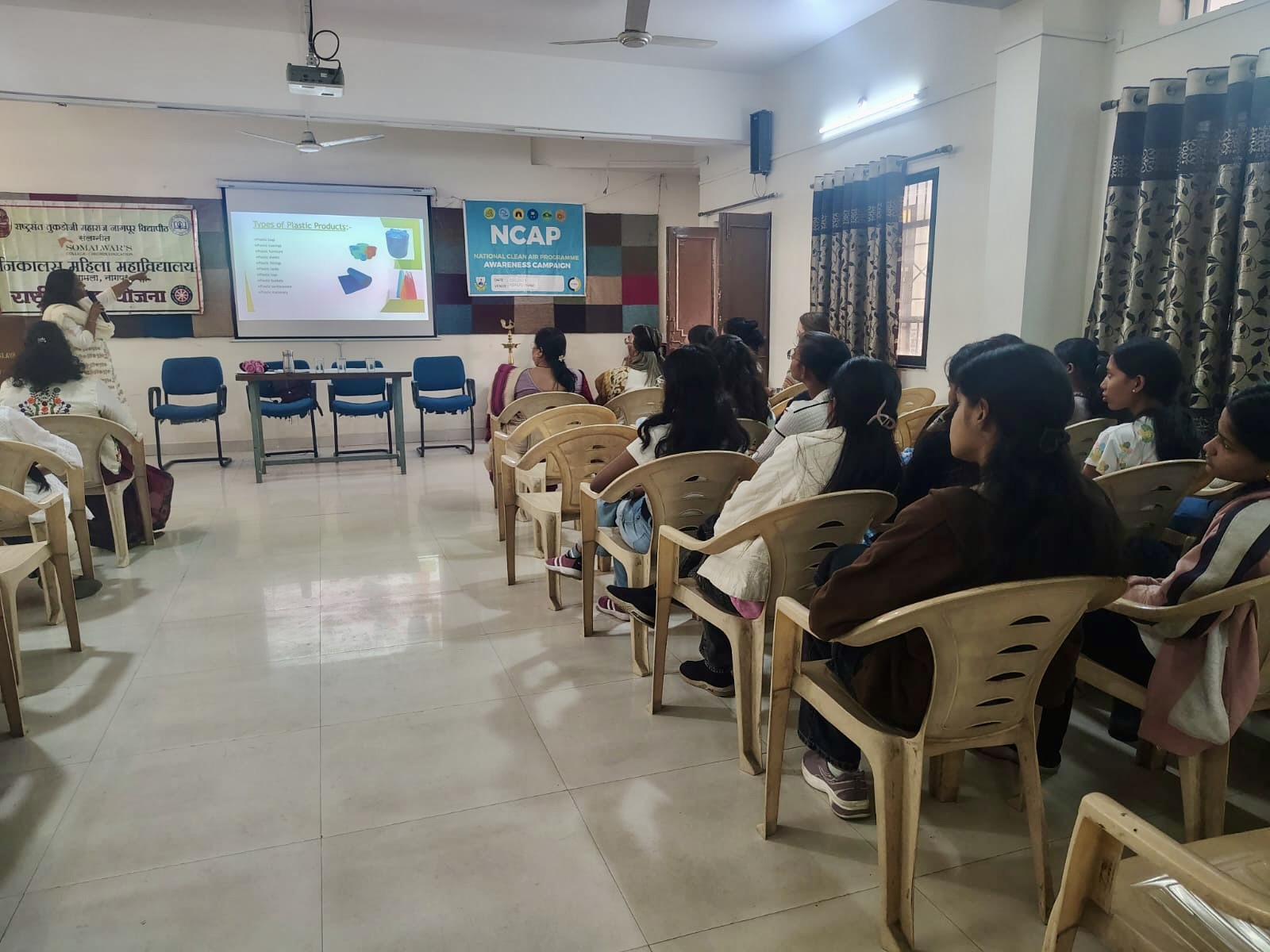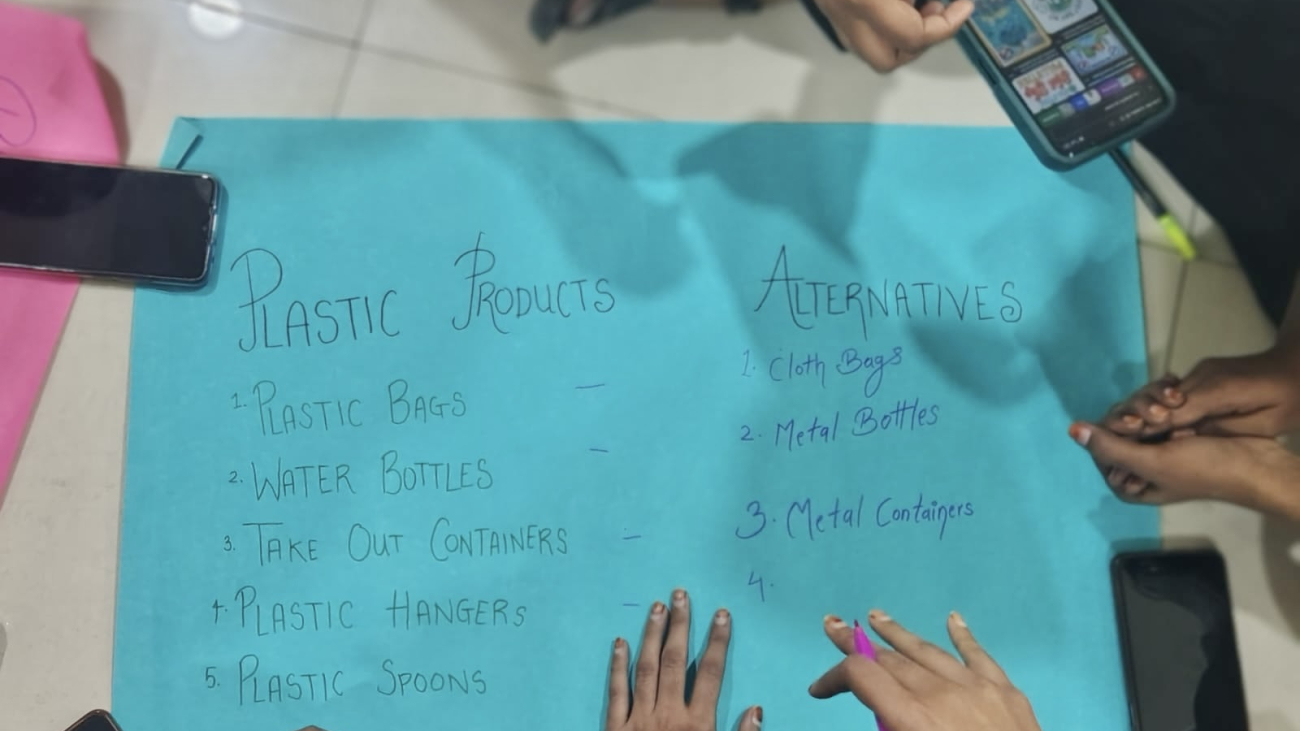
On December 12th, CFSD conducted an awareness programme on plastic pollution at Nikalas Mahila Mahavidyalaya, a girls’ college in Nagpur. The programme took place as part of the National Service Scheme initiative “Youth for My Bharat”, which aims to encourage young people to actively participate in building a sustainable and responsible future for the country.
Understanding Plastic Pollution
The session was led by Leena Buddhe, Founder of CFSD, who introduced students to the fundamentals of plastic pollution. This included information about what plastic is and why it is used so widely, what major sources of plastic pollution are and how harmful it is for human and environment health.
Special attention was given to how plastic pollution impacts land, air, and groundwater, highlighting the long-term consequences of improper plastic disposal. Plastics do not biodegrade easily; instead, they break down into microplastics that enter our food chain, water sources, and even the air we breathe.
Back in 1997, Captain Charles Moore discovered what is now known as the Great Pacific Garbage Patch, the largest accumulation of plastic waste in the ocean. This example helped students understand that plastic pollution is not just a local issue but instead a global environmental crisis.
Reflecting on Everyday Plastic Use
After the presentation,
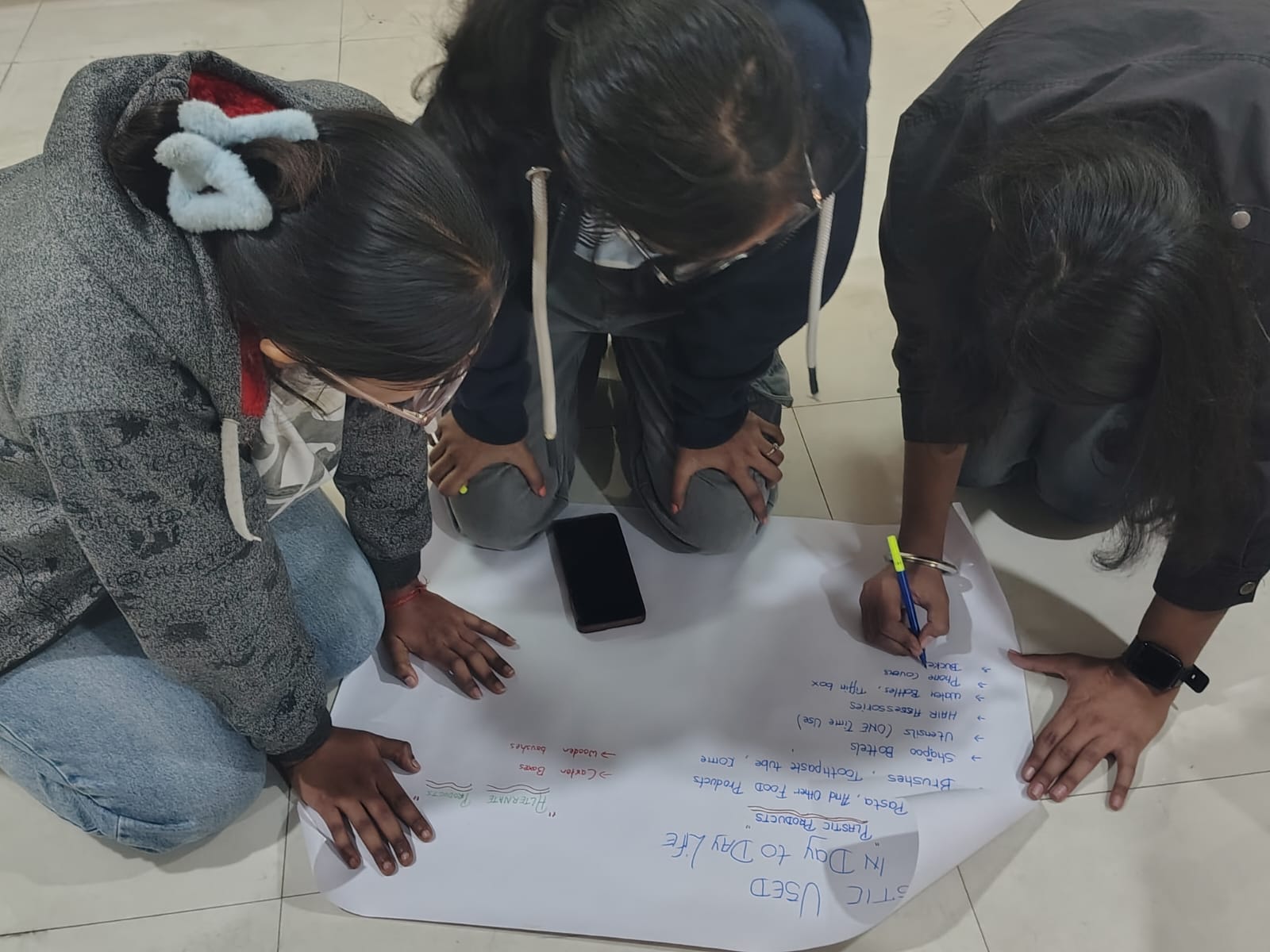
students were encouraged to reflect on their own habits. Divided into groups, the girls were asked to identify plastic products they commonly use every single day and brainstorm about sustainable alternatives. Armed with posters and markers, the groups spread out and began discussions. Unsurprisingly, the first mentioned items included plastic bags and plastic bottles.
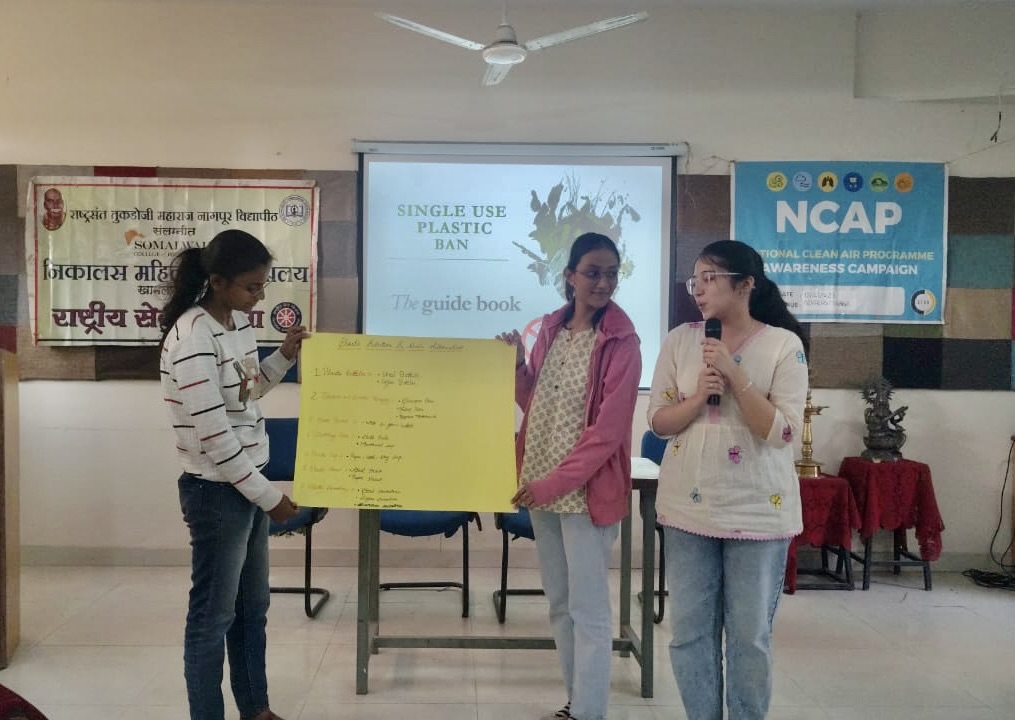
As discussions deepened, students identified disposable plates, cups, and cutlery as well as plastic-heavy food and product packaging. The groups also started to mention sanitary pads. This was an example where many seemed to struggle to think of alternatives, showing how deeply plastic-based products are embedded in everyday life. While presenting, one group said that finding – and using – sustainable alternatives for sanitary pads is still “work in progress”. Options such as reusable pads, cotton cloths, menstrual cups and period underwear were mentioned.
Plastic Ban in India: Knowing the Rules
In July 2022, the Government of India implemented a nationwide ban on several single-use plastic items, including plastic cutlery, straws, stirrers, plates, cups, earbuds with plastic sticks, and certain types of packaging materials. Students were introduced to the plastic ban to understand what is legally allowed and what is prohibited. This is important to bridge the gap between awareness and action, making it clear that refusing plastic is not only an environmental choice but also a civic responsibility.
Small Choices, Big Impact
The programme highlighted an important takeaway: change begins with being aware of the everyday choices that we make. By consciously questioning what we use and actively refusing unnecessary plastic, everyone can contribute meaningfully to reducing plastic pollution.
The enthusiasm and engagement shown by the girls demonstrated the powerful role young people play in driving sustainable change. Empowering youth with knowledge and practical alternatives is a vital step toward a cleaner, healthier, and more sustainable future.