Have you ever wondered how — and more importantly, why — the Centre for Sustainable Development (CFSD) came into being?
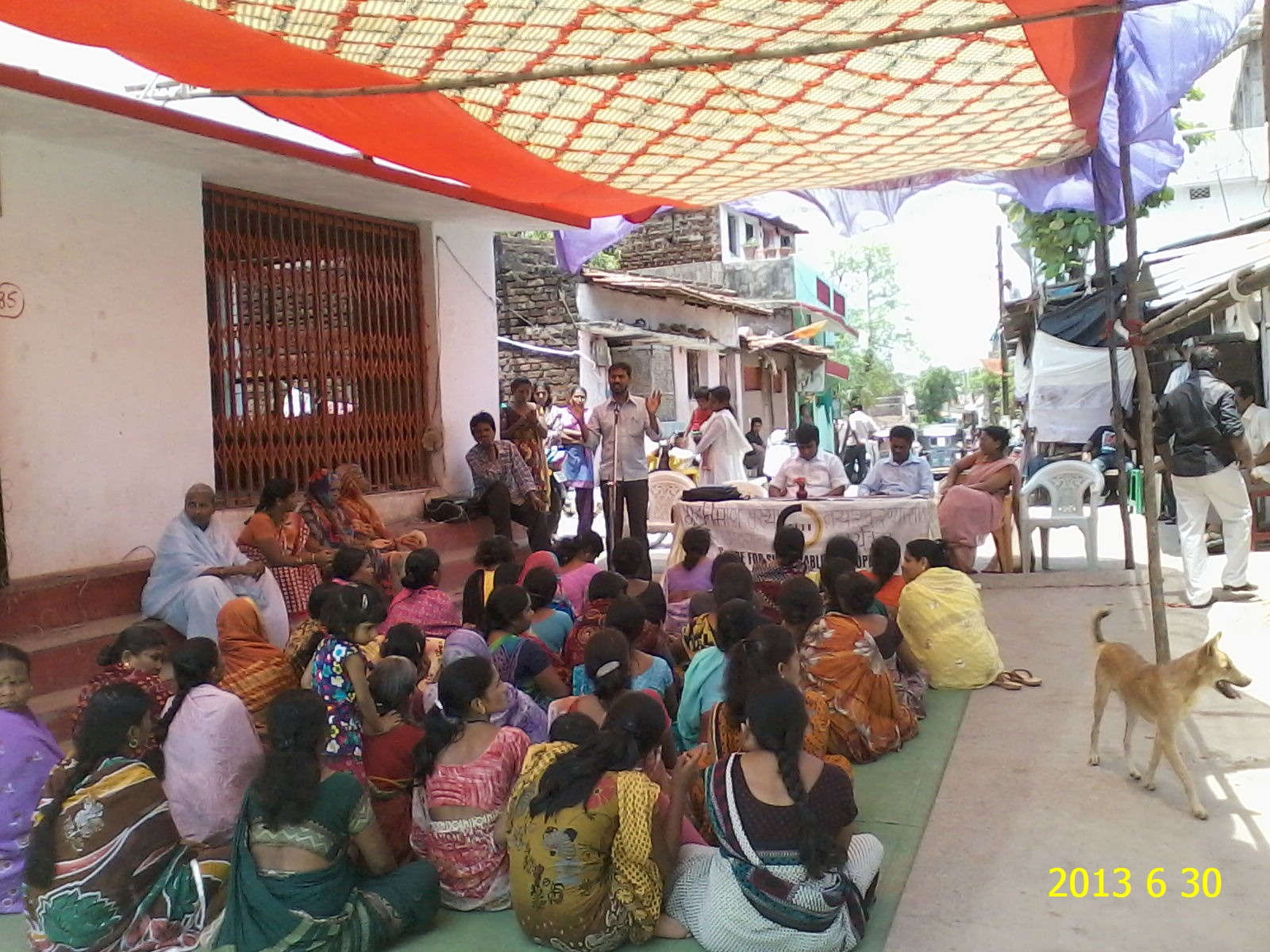
The work we do did not begin with a concrete project proposal or funding plan. Instead, it began on the ground – through conversations with slumdwellers in Nagpur, and a growing want to improve the realities of local communities.
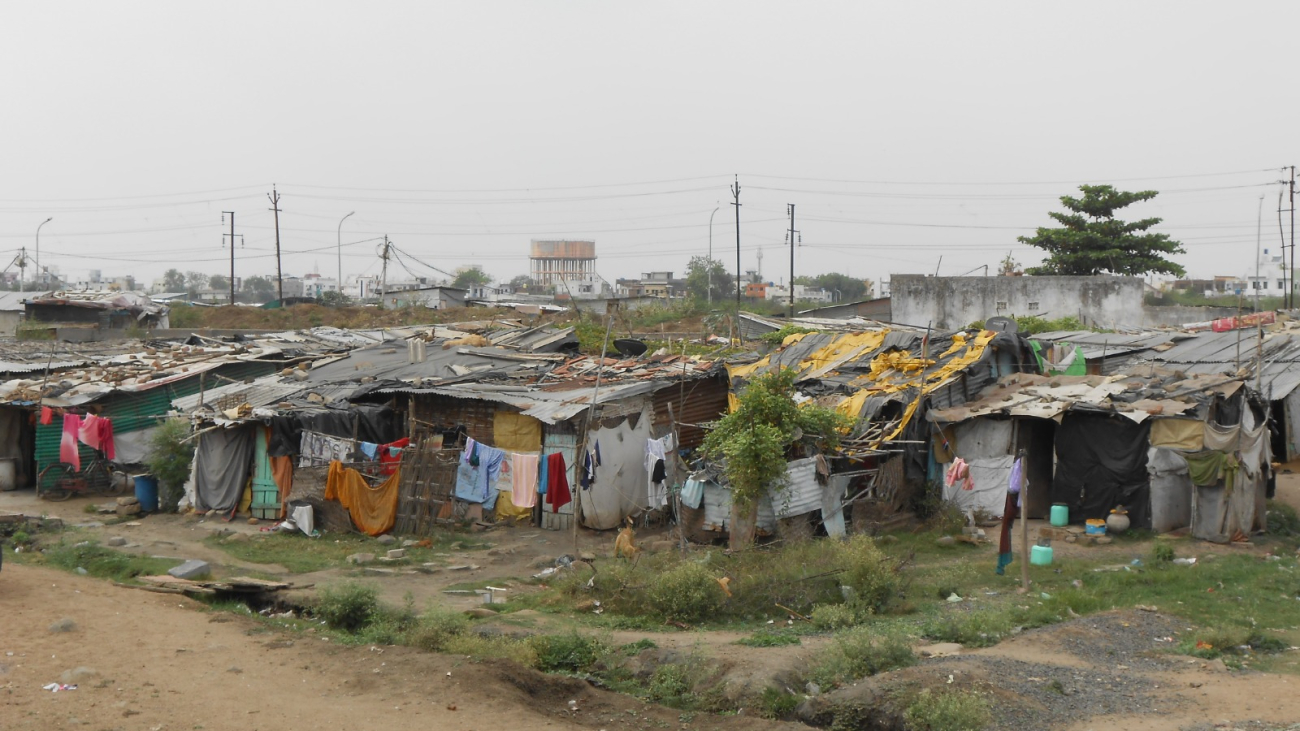
Leena Buddhe, Founder and Director of CFSD, had been working closely with people living in bastis (slums) for a few years before CFSD was established. Many of the families she met had lived on the same land for generations. Yet, despite decades of residence, a deep sense of insecurity consisted as most of them did not own the land they were living on. Conversations were often filled with fear of eviction, fear of displacement, and fear that everything they had built could be taken away overnight.
This insecurity went far beyond shelter. Leena Buddhe realized that it affected livelihoods, children’s education, emotional well-being, and the ability to imagine a future. This meant that any kind of development without land security was incomplete. No matter how well-intentioned, it could never offer long-term stability. Houses could be repaired, toilets could be built, water connections could be installed, but if the land did not belong to the people living on it, everything remained fragile.
What are Patta Rights and Why Do They Matter?
Land tenure recognition for slum dwellers is often granted through a Property Rights Card, commonly referred to as a patta. A patta does not necessarily mean full ownership of the land, but it provides legally recognized occupancy rights and protection from eviction. To own, or at least to have recognized rights over the land beneath your feet, is to experience a sense of belonging and permanence.
The right to property, including land, is settled as a legal right under Article 300A of the Indian Constitution. However, slumdwellers and communities living in informal settlements most often do not have land tenure rights. Instead, the land is primarily owned by either the State Government, Municipal Corporations, or private landowners. Considering that these communities are active contributors and drivers of urban growth, they should not be denied to own land in their city.
Being granted land tenure allows families to invest in their homes, communities to demand services, and individuals to live without constant fear. Also, tenure rights are essential because they offer:
- Protection against forced evictions
- A sense of belonging and identity
- Access to livable assets and basic services
- Opportunities for livelihood security and empowerment.
Early Policy Steps in Maharashtra
The July 2002 Government Resolution (GR) on tenure rights marked the first concrete policy step toward acknowledging land rights. While far from perfect, it was significant as the GR recognized, for the first time, the importance of tenure security for informal settlements.
In April 2004, the Nazul Department issued another GR that formally recognized the Property Rights Card and outlined instructions for its implementation. The Nazul Department manages Nazul land which is government-owned, non-agricultural land leased for residential, commercial, or institutional use, primarily in urban areas. This GR reflected growing awareness, although progress remained slow and was strongly influenced by the political landscape.
A major shift happened in 2014, when the BJP political party came into power and Mr. Devendra Fadnavis was appointed Chief Minister of Maharashtra. Under this administration, the issue of tenure rights regained momentum. In April 2016, the first official meeting on Property Rights Cards was held.
Becoming the Missing Link
While policies and plans existed, their implementation was difficult. A main part of this was that communities remained disconnected from decision-making, and were unaware of the schemes in place. This meant that intent did not translate into action. As we envisioned a bridge between overlooked communities and governance systems, CFSD found its role and was officially registered on the 23rd of February 2004.
Securing land rights – Pattas – became the foundation of our work. A strong focus was placed on empowering slum dwellers, especially women, through self-help groups and community participation. People were no longer just beneficiaries; they became active participants in shaping their own futures.
Fast forward to today, CFSD has been working on land rights for more than 20 years, and much has happened since those early conversations in Nagpur’s bastis. Policies evolved. Partnerships formed and Pattas began to move from idea to implementation. But that is a story for the next part. In Part 2 of this series, we will explore how CFSD helped transform the concept of land tenure and what challenges emerged along the way.