Solid Waste Management: From Source Segregation to Sustainable Systems
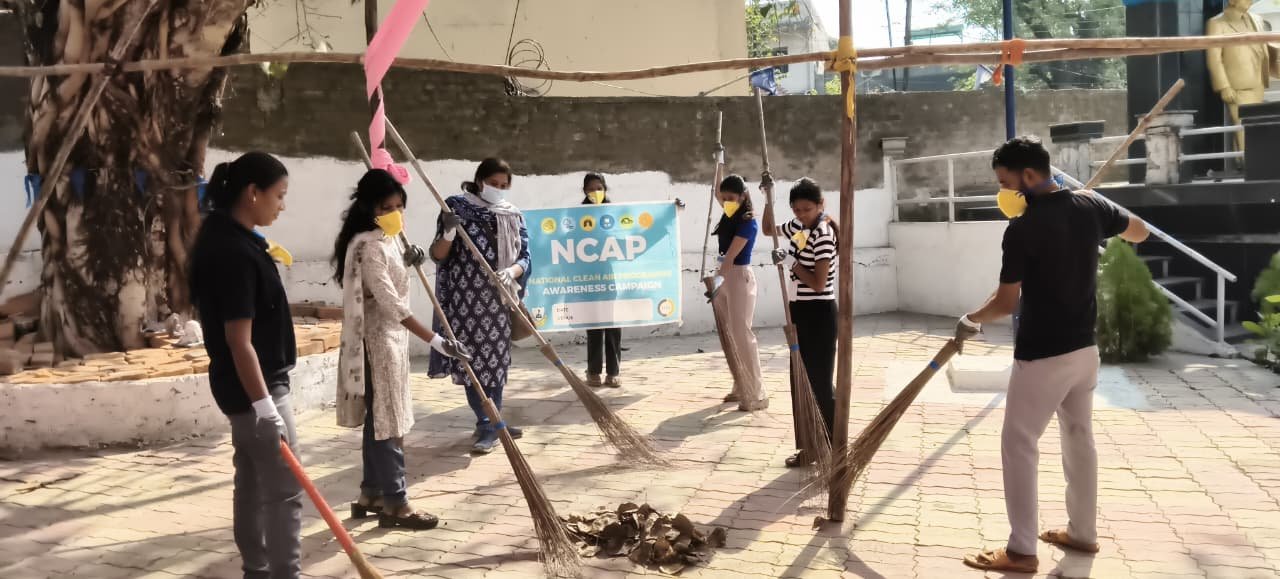
CFSD works regularly on solid waste management in Nagpur and advocates for better systems. Our approach starts at the source. When households separate their waste, it can be composted, reused or recycled instead of dumped or burned. Burning waste is a major source of air pollution in Nagpur, so this work is also part of our clean air work under the National Clean Air Programme.
What CFSD does
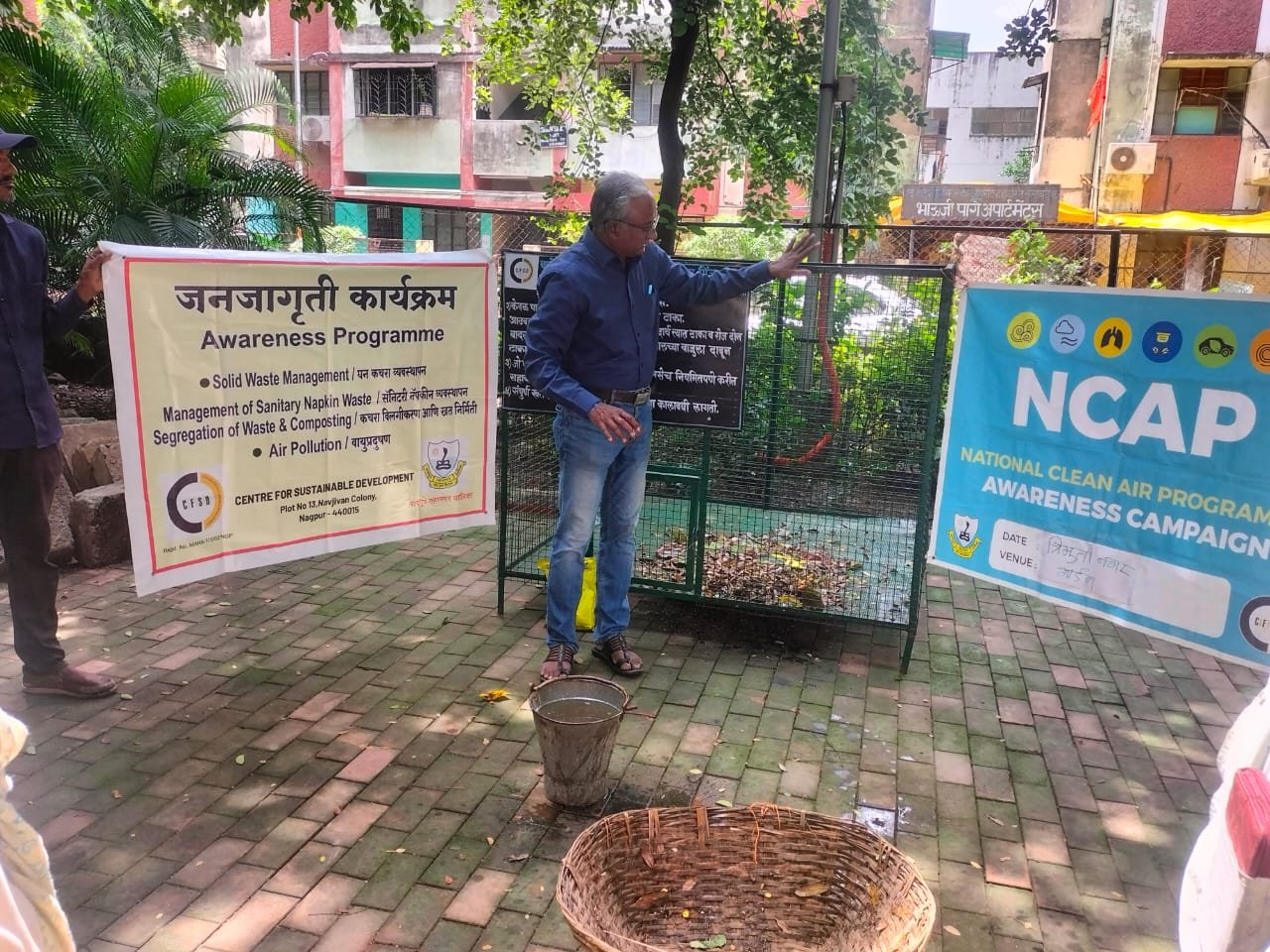
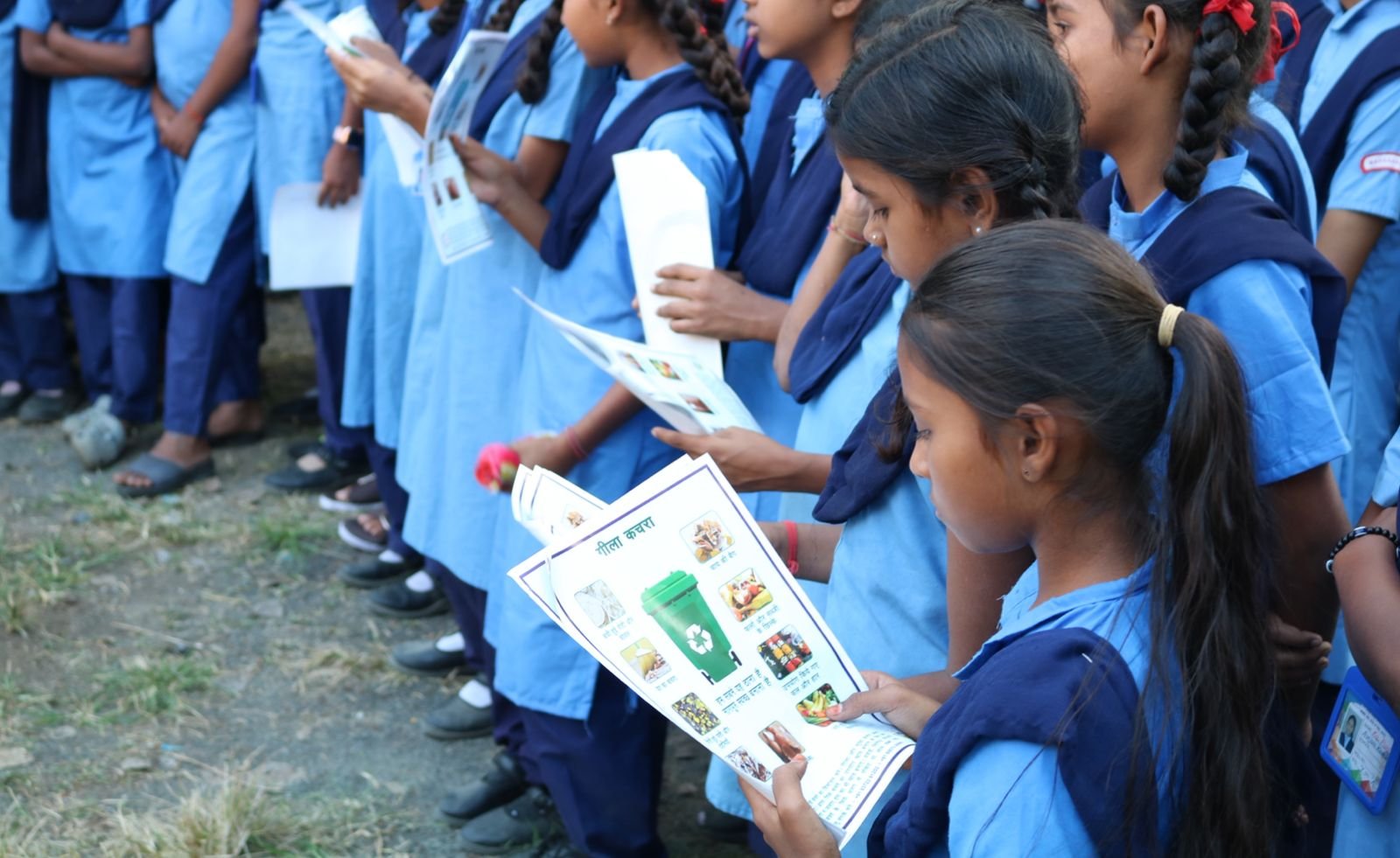
- Promotes segregation at source: We hold awareness sessions in housing colonies, public gardens, slums and schools. People learn the difference between wet, dry, rejected and electronic waste, how recyclables can be sold, and how dry waste such as bottles and paper can be reused. In schools, we use colour-coded bin demonstrations and an air-pollution “Snakes and Ladders” game.
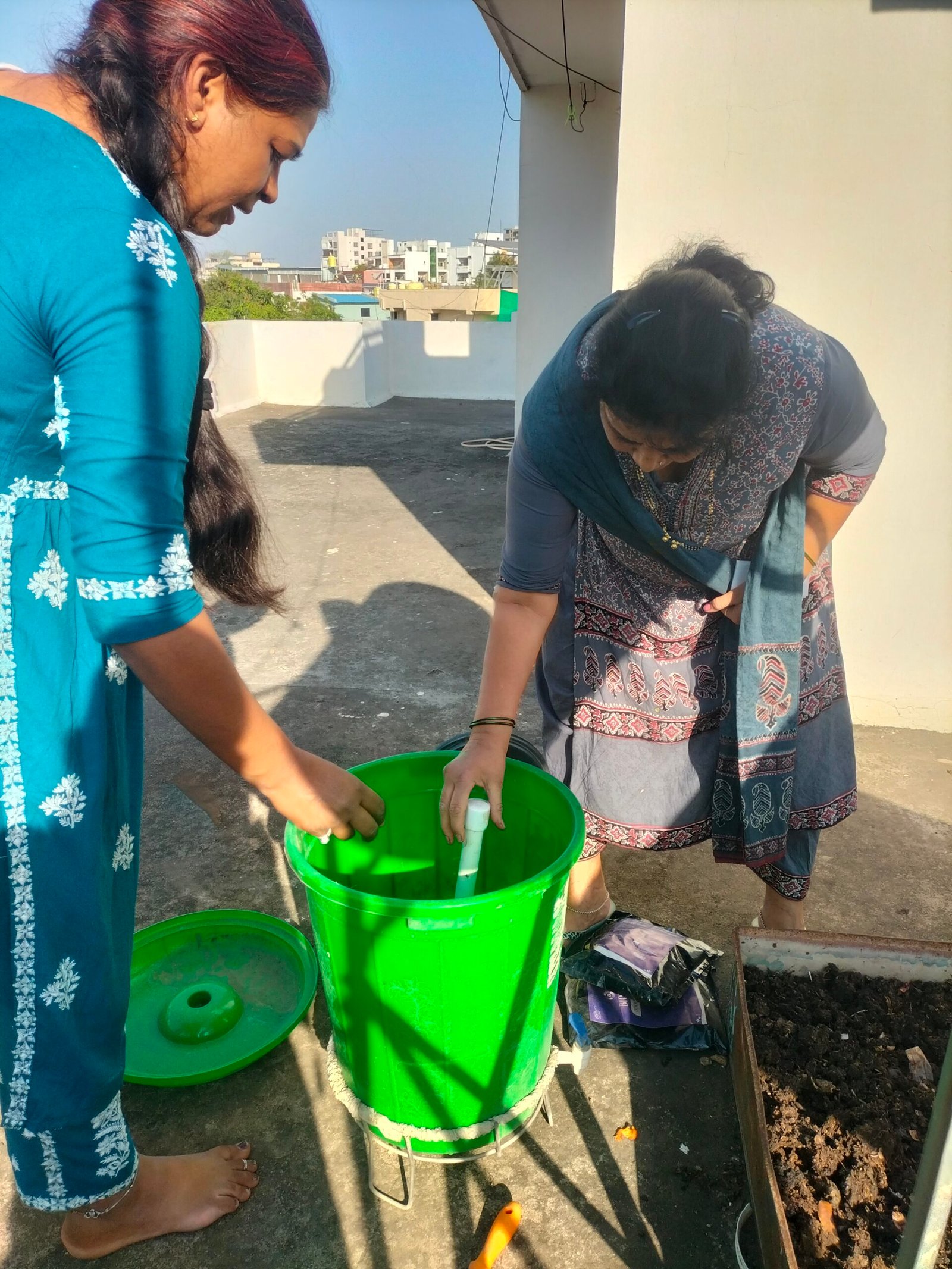
- Encourages home composting: We run home composting sessions with residents’ welfare associations across the city, showing how kitchen waste becomes manure for plants.
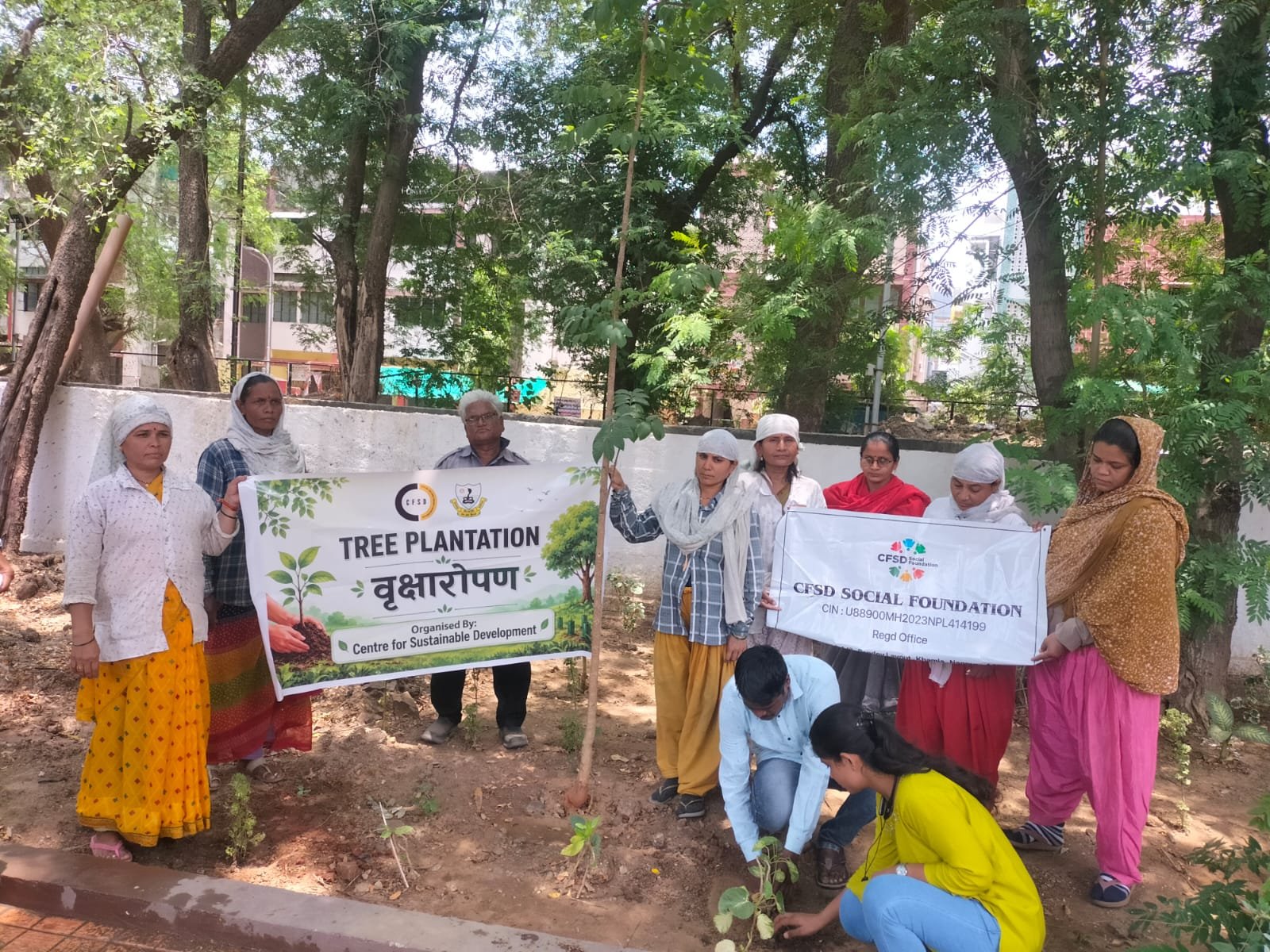
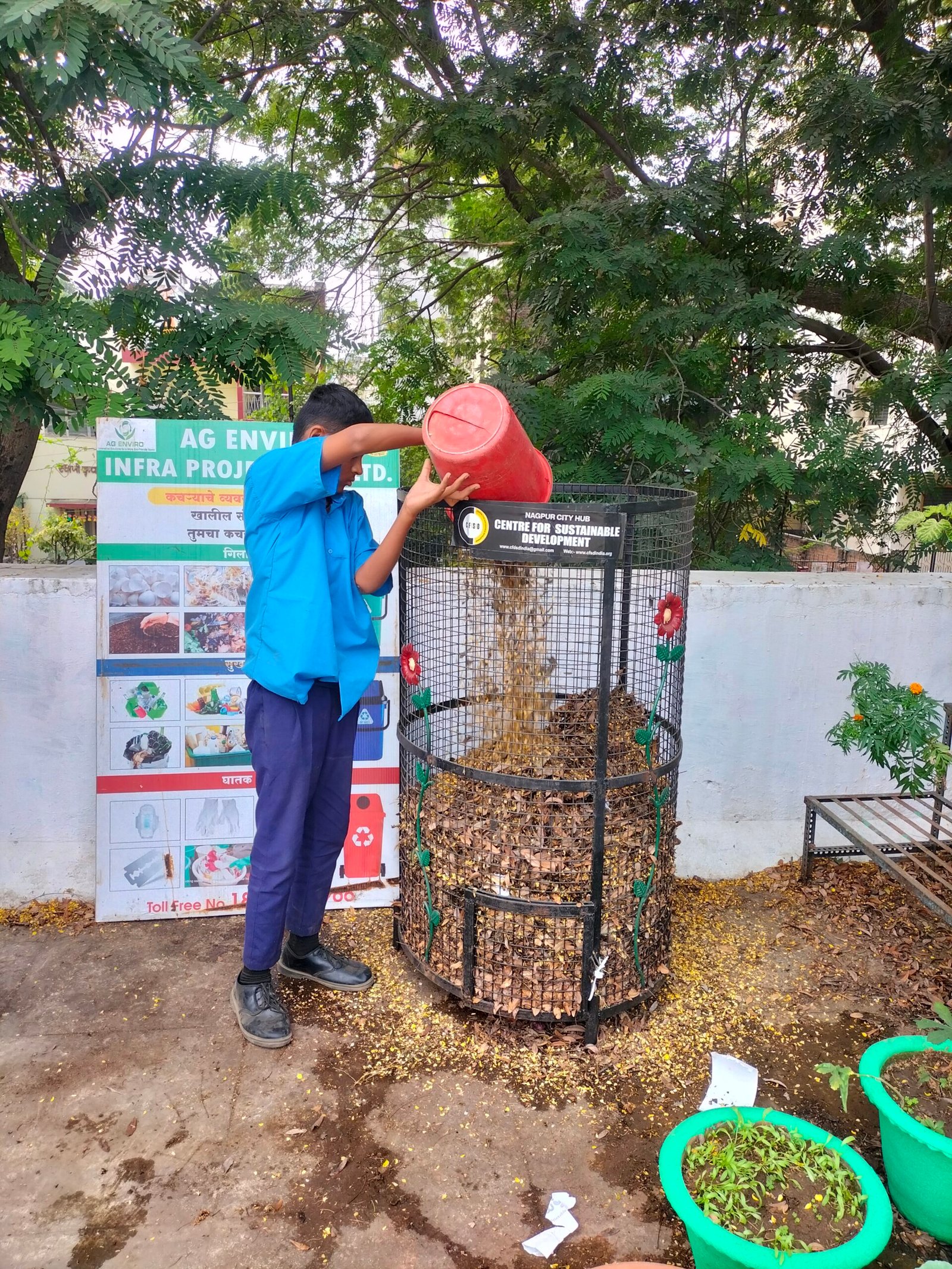
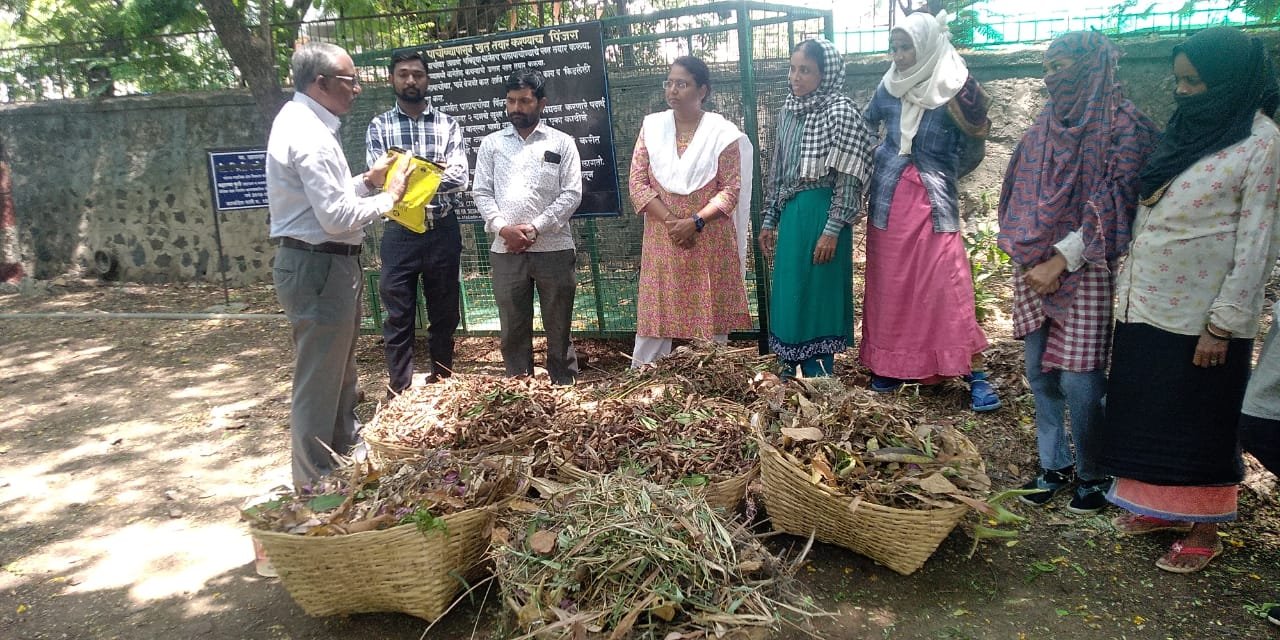
- Turns leaves into compost: With agronomist Laxmikant Padole, we train garden staff and students in pit, basket and vermi-composting, so dry leaves become manure instead of being burned. Trainings have been held at Rajiv Gandhi Udyaan, Nikalas Mahila Mahavidyalaya and Lal Bahadur Shastri School.
- Works with sanitation workers: We hold sessions with safai karmacharis on garbage burning, dust, protective gear and health check-ups. Workers told us they do not burn garbage by choice. Waste piles up when there are no bins for segregation and no vehicle to carry heavy loads to the secondary collection point. We carry their demands (masks, gloves, uniforms, timely salaries and a better collection system) to the authorities.
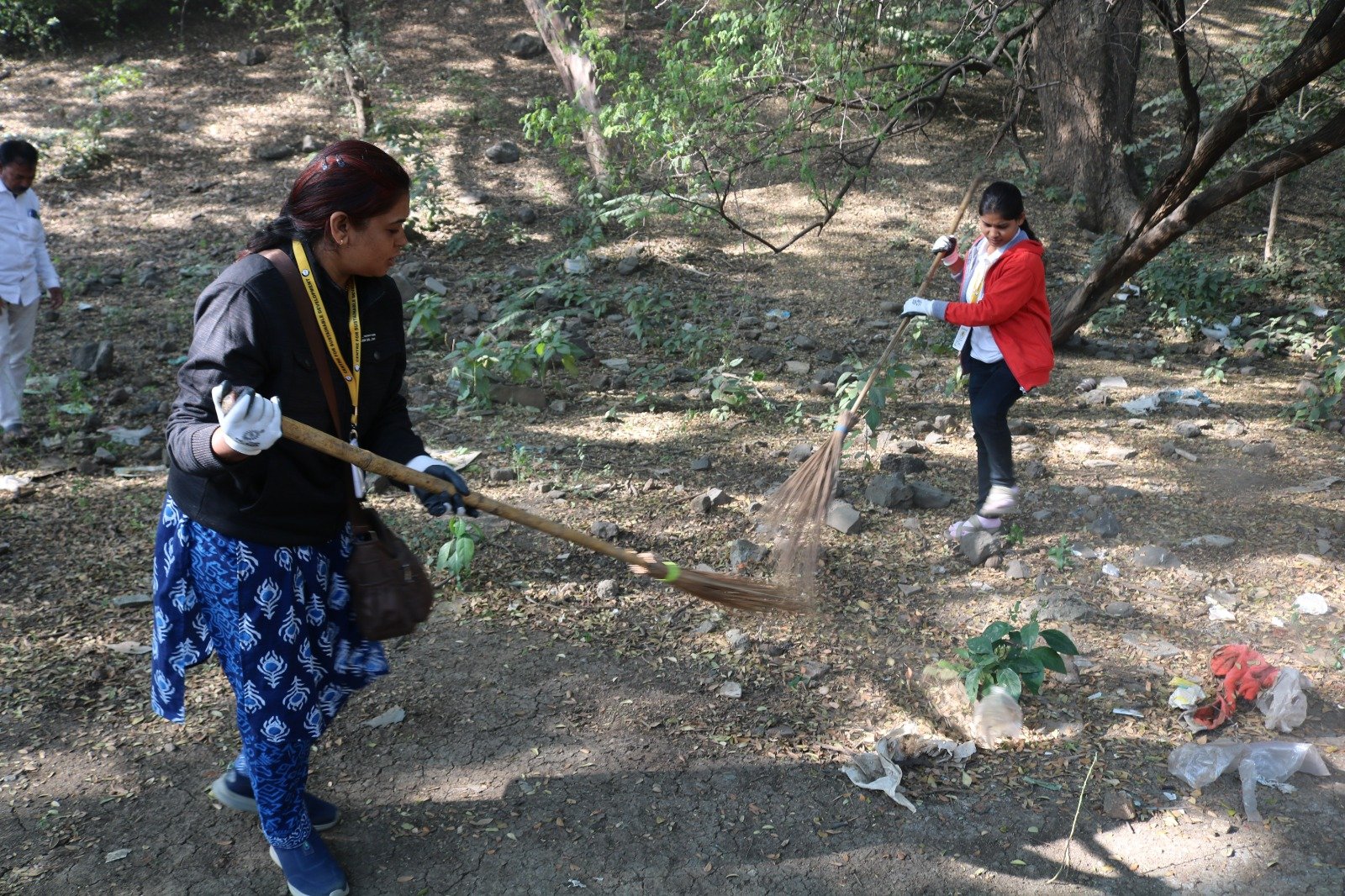
- Cleans up garbage-vulnerable points: With NMC and student volunteers, we clean up dumping sites and raise awareness among residents. The “No More Dust” drive collected silt, soil and construction and demolition waste, and the site was marked a “No Dumping Zone”.
- Tackles plastic waste: We run talks on single-use plastic and its alternatives at colleges, workplaces and World Environment Day events.
- Advocates for better systems: We speak up for stronger, more sustainable waste management in the city.
Learning from other models
In February 2026, CFSD took part in an exposure visit to the Stree Mukti Sanghatana RRR centre in Mumbai, organised by the Alliance of Indian Waste Pickers, alongside organisations such as SEWA, WIEGO and WWF. We also visited the Mansi Self-Help Group’s Material Recovery Facility in Mangalwari. Our takeaway: a facility’s success depends on the quality of the waste segregated in our homes.
Working in peri-urban Nagpur
CFSD is currently working with Chintan on a solid waste management program in the peri-urban areas of Bhiwapur and Wanadongri, with the aim of making these areas more sustainable.
Our key message
Burning waste is a punishable offence, with an NMC fine of Rs 5,000, and it harms health. Segregating waste at source and composting wet waste and leaves removes the reason to burn.
Looking ahead
Awareness works best when people also have the means to act: a bin, a collection vehicle, protective gear. CFSD will keep working with residents, sanitation workers, institutions and partners to make segregation and composting an everyday practice, and to build lasting waste management systems in both city and peri-urban areas.