This study assessed UPHCs in Nagpur by evaluating access to and delivery of services, capacity building of health care staff, and infrastructure components with specific emphasis on water, sanitation, and hygiene services. Data collection was carried out from April to June 2026 and consisted of patient surveys, staff surveys, facility observations, and photographic documentation.
Findings indicate strong accessibility and regular utilization of UPHC services among surveyed patients, but several gaps and challenges have been identified. Recommendations focus on optimizing infrastructure and surrounding environments, adjusting opening times, promoting workforce resilience, ensuring adequate WASH services, and strengthening patient feedback mechanisms.

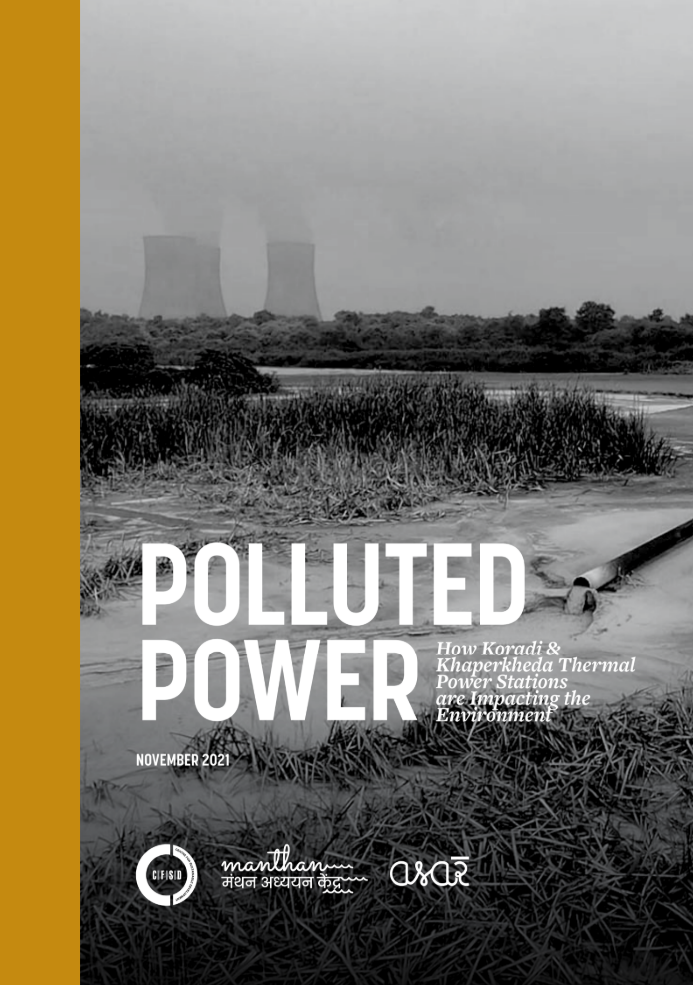
The 2400 MW Koradi and 1340 MW Khaparkheda thermal power plants, both just outside Nagpur city, in Maharashtra have been important for the Maharashtra State Power Generation Company (MAHAGENCO) in meeting its goal of providing adequate power to the state. Yet, they have failed to meet their own goal of improving quality of life for the people who live and work in the power plants’ vicinity. The two power plants along with the related infrastructure including two ash ponds of the Koradi TPS and one ash pond of Khaparkheda TPS have a long history of causing rampant pollution in the area.
This pollution has been extensively documented by media, by civil society groups, by official agencies and by the local communities, since at least a decade. This includes reports of discharges of untreated water directly into nallas, high levels of noise, high levels of sulphur dioxide and particulate matter emissions
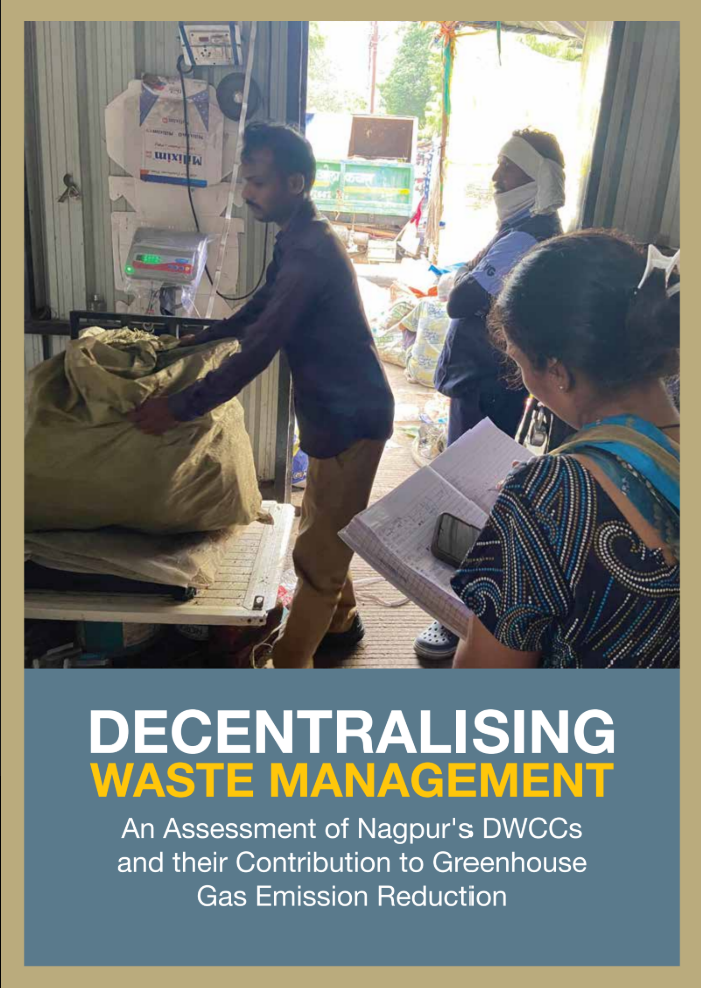
Dry Waste Collection Centres (DWCCs) are an essential component of decentralised waste management systems. This report documents the establishment and functioning of DWCCs in the city of Nagpur and assesses their contribution to dry waste management, livelihoods, and greenhouse gas (GHG) mitigation.
The study draws on qualitative insights from six DWCCs, gathered through discussions with the CFSD team, centre coordinators, and workers, and supported by field visits and secondary literature. Quantitative data from four DWCCs were analysed using the WIEGO GHG Emission Calculator 2.0, with monthly data extrapolated to annual estimates where at least three months of records were available.