Clean Air Nagpur: Awareness and Action under the National Clean Air Programme
About the program
From April 2025 to March 2026, CFSD worked with the Nagpur Municipal Corporation (NMC) under the National Clean Air Programme (NCAP), the national framework launched in 2019 by the Ministry of Environment, Forest and Climate Change to reduce air pollution. Our focus was on the sources that matter most in Nagpur: garbage burning, dust, vehicle emissions and unmanaged waste. We worked in schools, slums, colleges, gardens, housing colonies and municipal zone offices across the city, through more than 140 listed activities.
Our named programs and campaigns
- Swachh Vayu Week: Air quality and cleanliness sessions in schools and colleges, using an air-pollution “Snakes and Ladders” game (September 2025).
- Every Breath Matters: Zero Emission Day (21 September) with free PUC drives for two-wheelers.
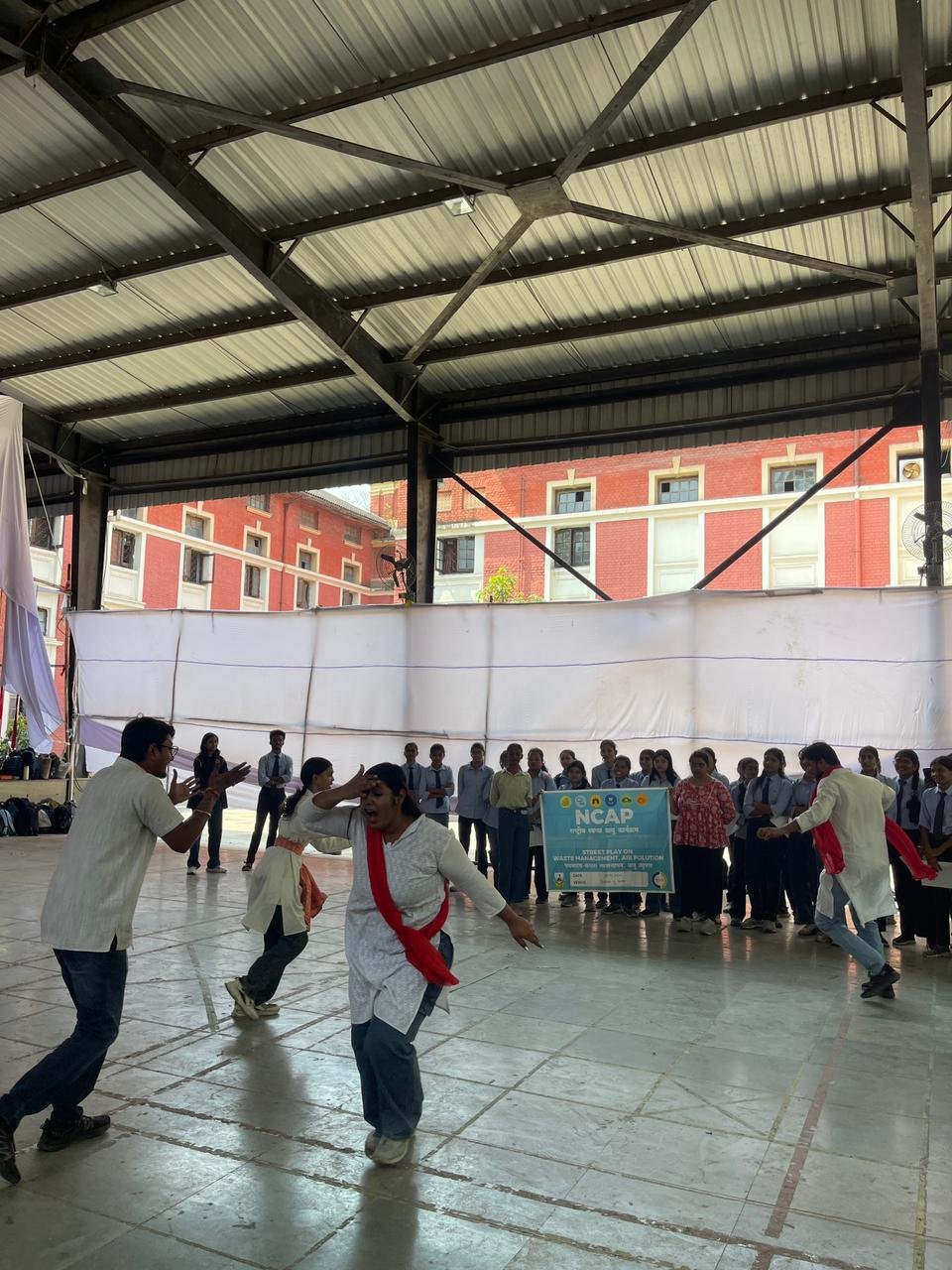
- Clean Air Heroes – Be One: PUC awareness at colleges with the RTO, and the street play Dharti Kahe Pukar Ke at G.S. College.
- Sustainable Cities, Healthier Air: Street plays, PUC drives, plastic pollution sessions and cleanliness drives (December 2025).
- Green Living, Better Tomorrow: Leaf composting training and short-film screenings on air quality in schools (November 2025).
- Say No to Waste Burning: School sessions on garbage burning and waste segregation (January 2026).
- No More Dust: A drive to collect silt, soil and construction and demolition waste and clean roads, with student volunteers and sanitation workers (March 2026).
- Plant Trees, Breathe Free / Ek Ped Maa Ke Naam 2.0: Tree plantation drives and a World Environment Day street play at Maharajbagh Zoo.
- Plastic Free Public Places: The World Environment Day pre-campaign on “Ending Plastic Pollution”, held with South East Central Railway workshop staff.
- Turn It Off and “Burn Calories, Not Fuel”: Anti-idling drives at traffic signals with the Jan Aakrosh team.
- Double the Bus: A World Car Free Day campaign, part of a nationwide movement also held in Bengaluru, Chennai and Mumbai. It highlighted that Nagpur needs about 2,000 buses but has around 436.
- Clean Diwali, Safe Diwali: A session for slum children on the harm of firecrackers, ending in a pledge.
- Reduce, Reuse, Repurpose and Recycle (RRR): An exposure visit to the Stree Mukti Sanghatana RRR centre in Mumbai, organised by the Alliance of Indian Waste Pickers, and a visit to the Mansi Self-Help Group’s Material Recovery Facility in Mangalwari.
Who we worked with
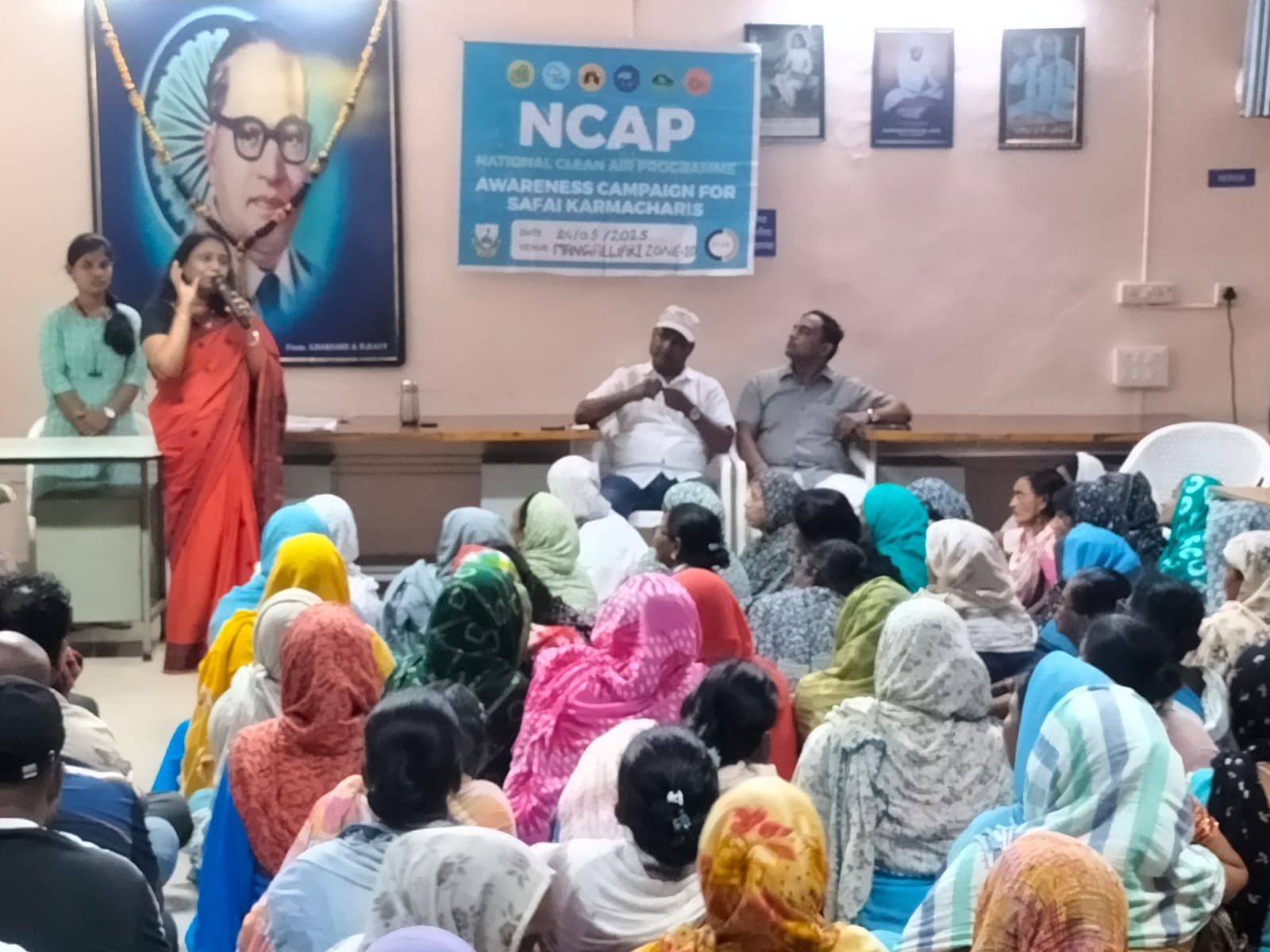
- Sanitation workers (safai karmacharis): Dust and garbage burning sessions with NMC, AG Enviro and BVG workers in zone offices and wards, covering masks, gloves and regular health check-ups. Workers asked for regular protective gear, uniforms, timely salaries and a better secondary collection system.
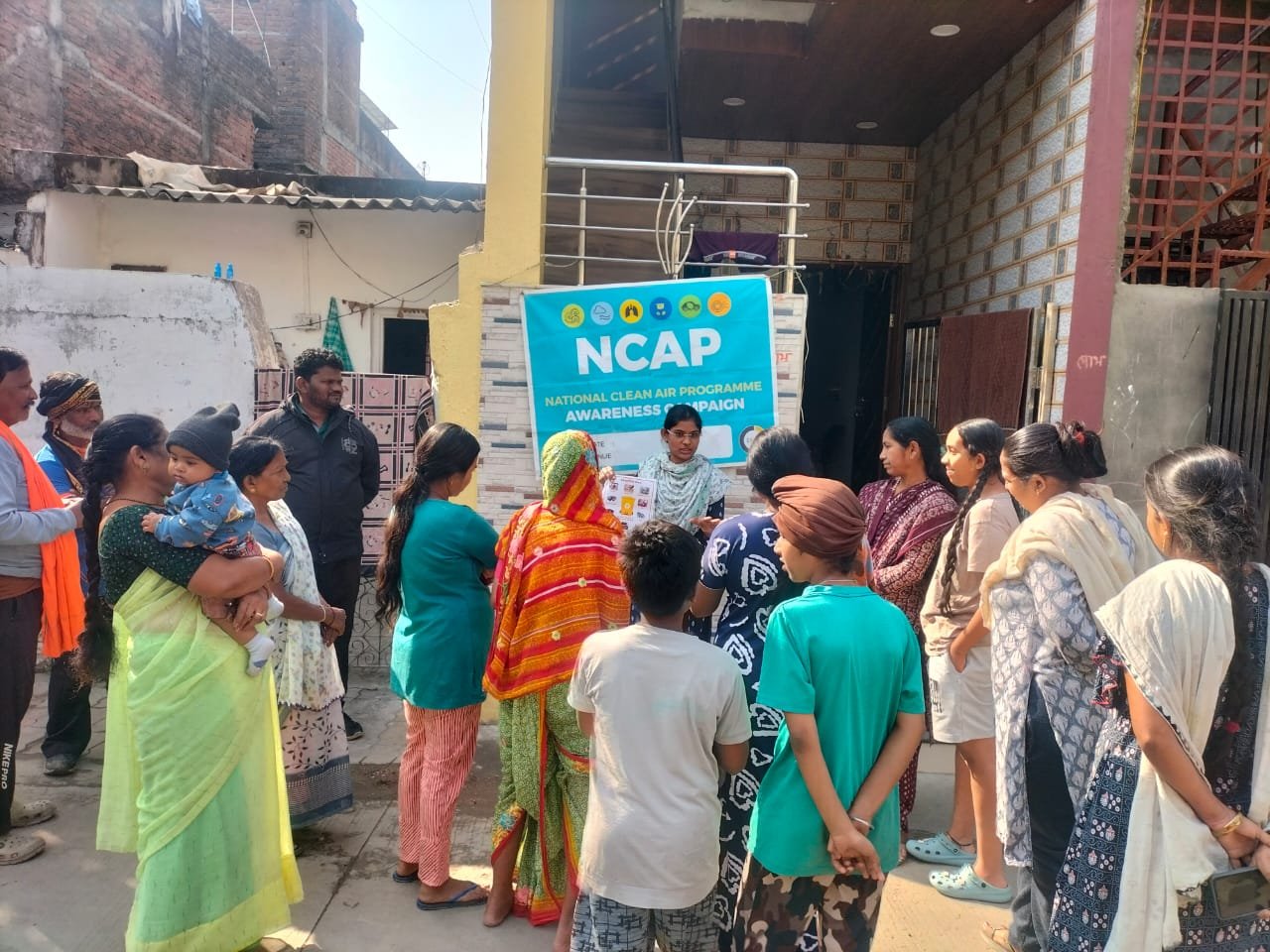
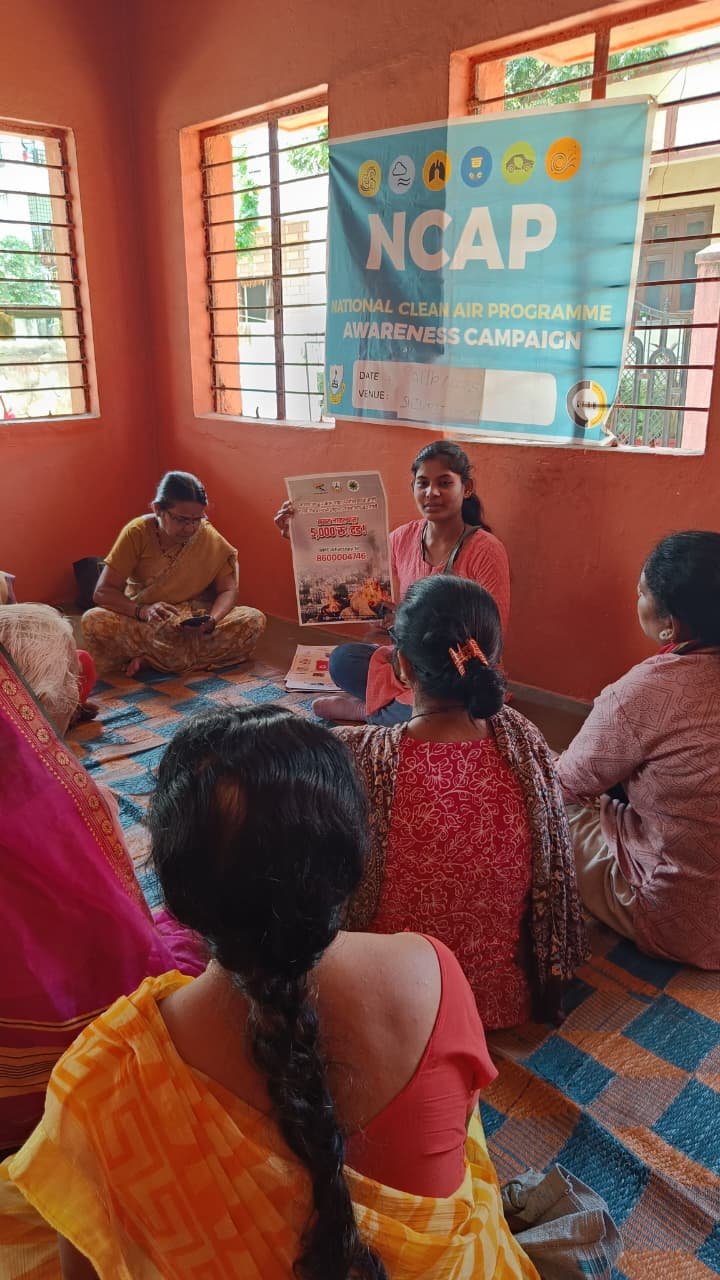
- Slum communities: Corner meetings with women and children on indoor air pollution, using flashcards and the Household Air Pollution (HAP) toolkit. We encouraged cleaner cooking fuel, including the Pradhan Mantri Ujjwala Yojana LPG scheme.
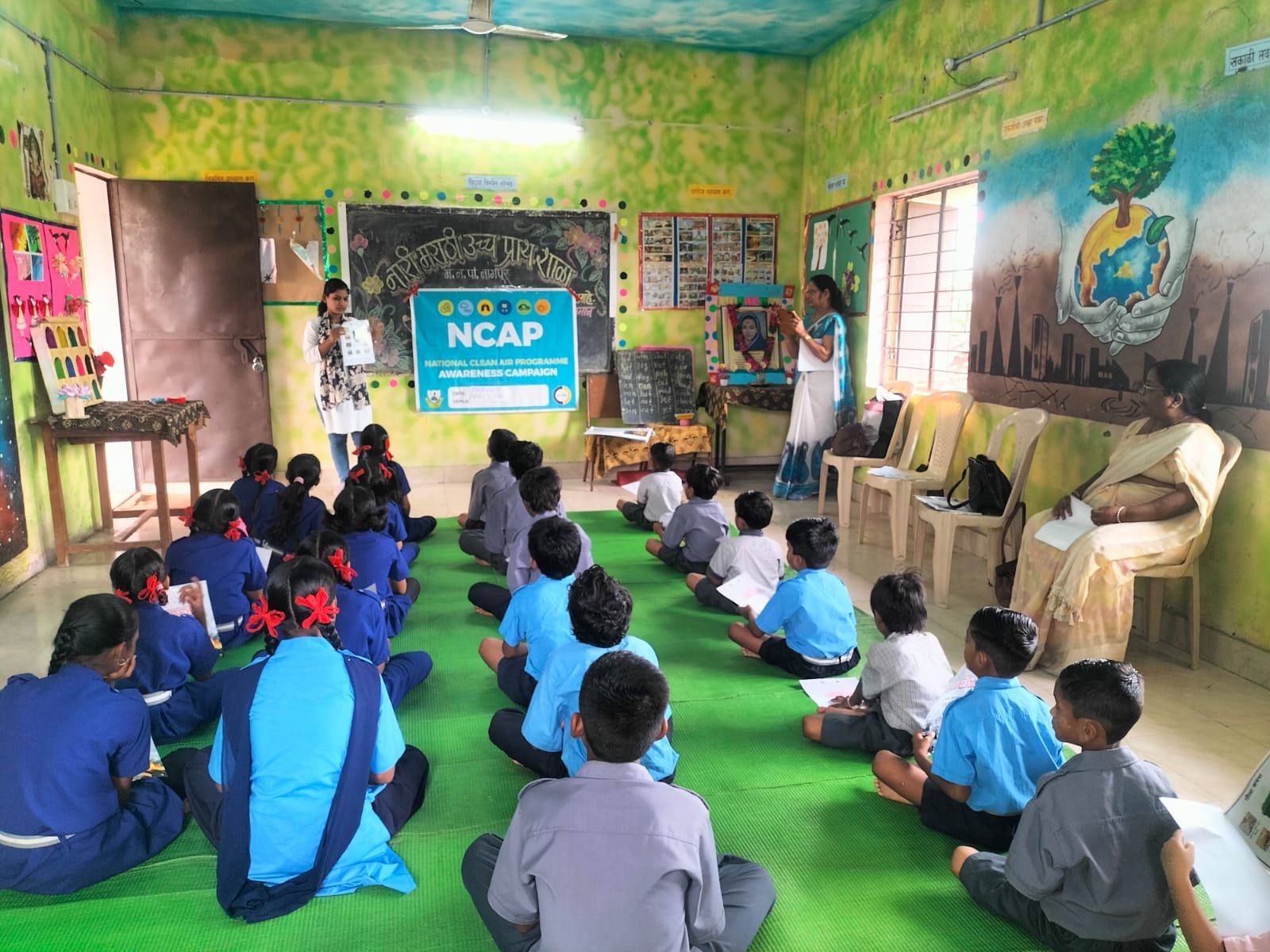
- Schools and colleges: Sessions in NMC and private schools, plastic pollution talks (including one under the National Service Scheme), leaf composting training and street plays.
- Residents and walkers: Home composting and waste segregation sessions with housing colonies (RWAs), and meetings with morning and evening walkers in public gardens.
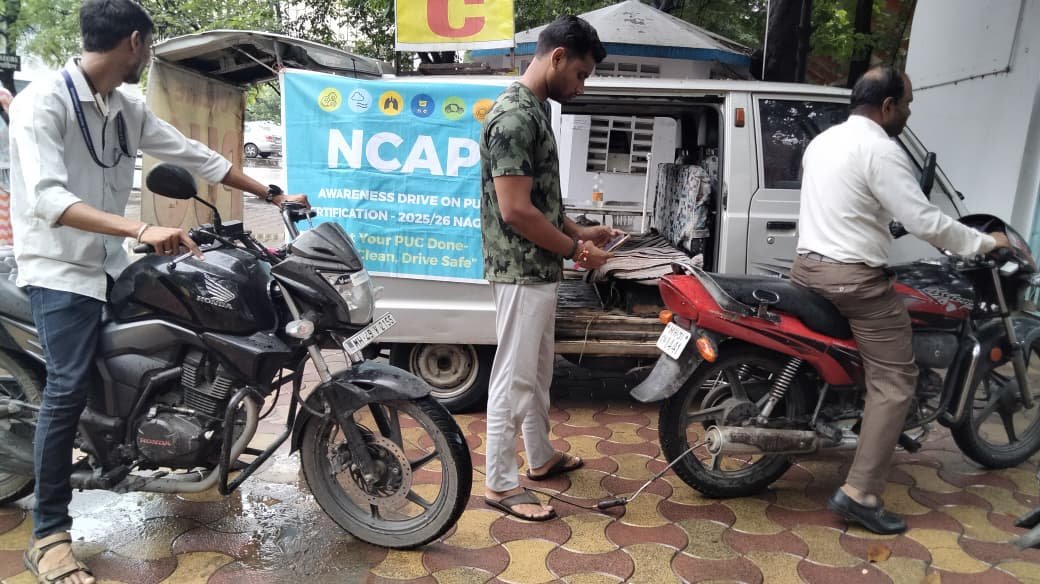
- Vehicle owners: Free PUC (Pollution Under Control) certificate drives with the RTO. A valid PUC is mandatory under the Motor Vehicles Act, 1988.
What we heard
Workers told us they do not burn garbage by choice. Waste piles up when there are no bins for segregation, no vehicle to carry heavy loads to the secondary point, and little cooperation from residents. Women in slums said they had not heard of indoor air pollution before our sessions.
Key messages
- Burning waste is a punishable offence, with an NMC fine of Rs 5,000, and burning plastic releases harmful, cancer-causing substances.
- Segregating waste at source and composting wet waste and leaves removes the reason to burn.
- Valid PUC certificates, switching off engines at signals and using public transport reduce vehicle pollution.
Looking ahead
Awareness works best when people also have the means to act: a bin, a collection vehicle, a mask and gloves. In the year ahead, CFSD will take these campaigns to more wards and settlements with NMC, schools and communities, and keep pressing for the infrastructure that makes clean practices possible. To bring a CFSD session to your school, colony or workplace, get in touch.